The Week It Changes
Nothing is decided here — the vine decides, and the work is to read it correctly.
Miss when the switch happens and every sampling and picking date after it is set from the wrong start.
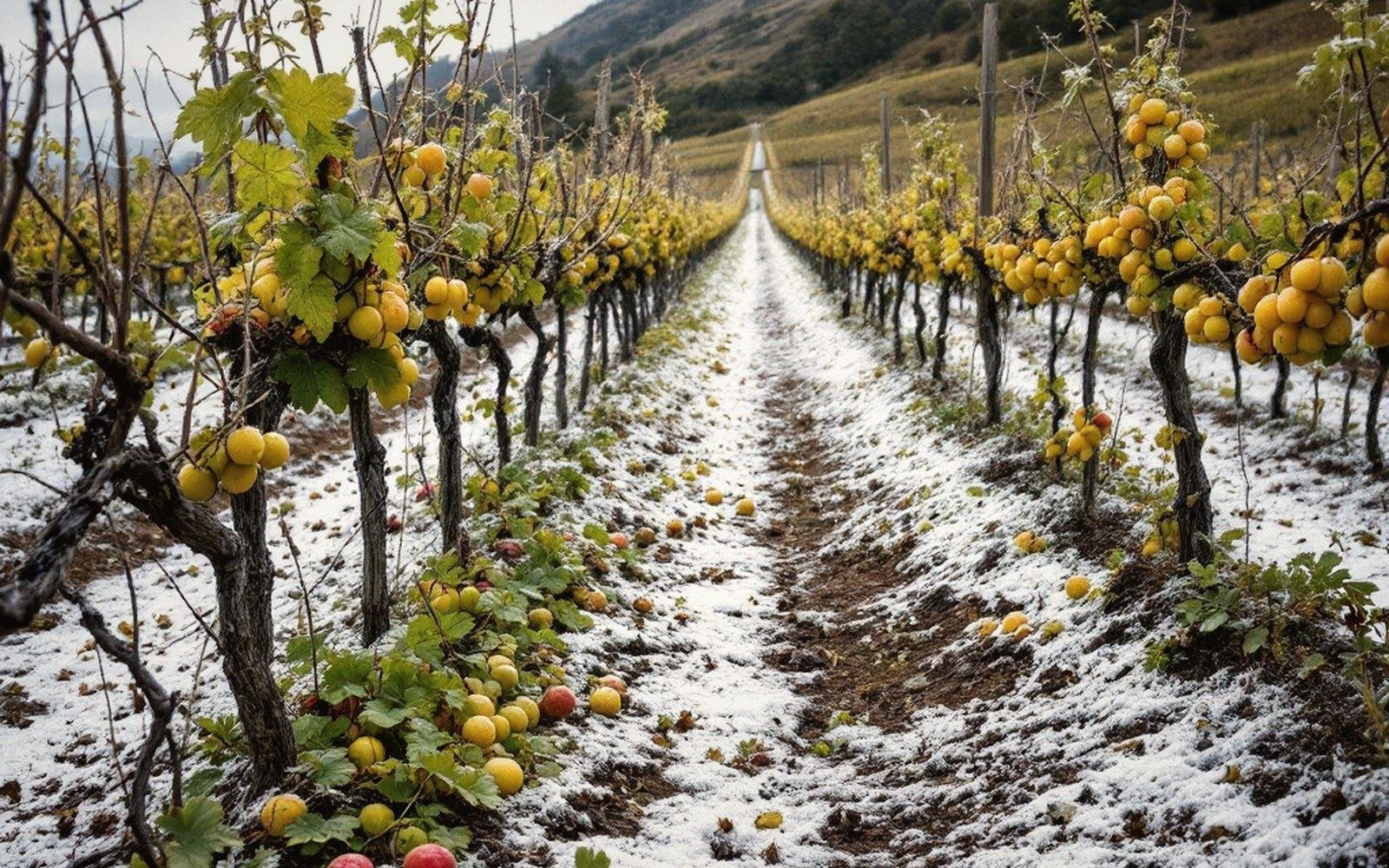
Veraison: When the vine stops building and starts finishing
One morning in late July or August, depending on where you stand and what you grow, a berry turns. Not all of them — one, or a handful, scattered through the block like a signal. By the end of the week the block looks mottled. By the end of the following week it has changed character entirely. This is veraison, from the French, meaning the onset of ripening, and it is the pivot point of the whole growing season.
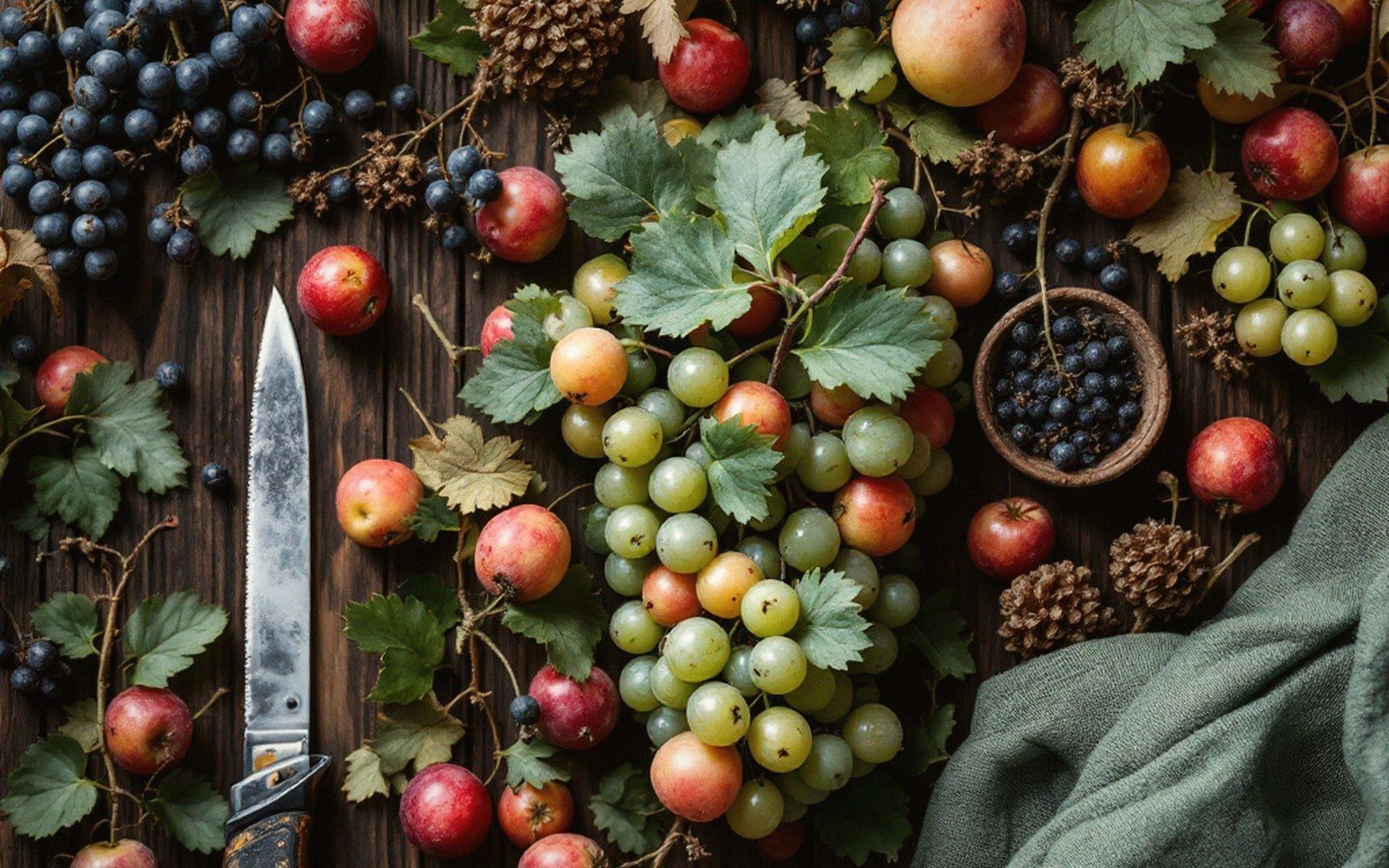
Up to this moment the vine has been constructing things. Shoots grew, leaves expanded, berries set and swelled through a long phase of cell division and then cell enlargement. The berries were green, firm and loaded with acid, with almost no sugar to speak of. The vine's energy was moving outward and upward. Then something shifts — day length, a temperature threshold, some internal signal the plant reads before we do — and the direction of travel reverses. The vine stops building and starts filling.
What actually happens inside the berry
The changes at veraison are not cosmetic. In red varieties, anthocyanins begin accumulating in the skin — the pigments that will eventually make a berry blue-black or deep red. In white varieties the skin loses its chlorophyll and turns translucent gold-green. Both of these are visible signs of a deeper biochemical reorganisation.
At the same moment, the berry softens. Through the green phase it was rigid enough that pressing it between finger and thumb took real effort. After veraison it yields. The cell walls are changing; the berry is becoming what it needs to be for dispersal — attractive to birds, pliant, full of sugar. Brix, the measure of dissolved solids in juice (nearly all of which is sugar at this stage), begins climbing. Acid, which had been accumulating through the growing season, starts to fall as malic acid is respired away during warm nights.
These processes — colour, softening, sugar accumulation, acid decline — do not happen in strict sequence. They happen together, in a rush. That is what makes veraison a week, not a month.
Why it is never quite even
A block rarely turns all at once. Individual vines run at slightly different rates depending on their position on the slope, their vigour, the microclimate within the row. Berries within a single bunch can be at different stages simultaneously. In a cool-climate vineyard under an escarpment, where the temperature swings between rows can be meaningful and the growing season is already compressed, the unevenness matters. A vine that hits veraison five days behind its neighbour will be five days behind at harvest too — and in a short season, five days is not nothing.
Then something shifts — day length, a temperature threshold, some internal signal the plant reads before we do — and the direction of travel reverses.
The spread of veraison through a block is something experienced growers watch closely. A tight veraison — most of the fruit turning within a narrow window — suggests even ripening ahead. A drawn-out one, strung across two or three weeks, signals the kind of uneven ripening that will complicate the picking decision later. It does not mean the crop is lost; it means attention is required.
What comes next
After veraison the clock is running. Depending on the variety and the season, harvest typically follows six to ten weeks later. The canopy that was the vine's engine all summer is now working for the fruit rather than for itself — photosynthesising, moving sugar into the berries, holding on. Management in these weeks is about protecting what has been built: keeping the canopy open, watching the disease pressure that comes with tighter bunches and softening skin, beginning the measurements — sugar, acid, pH — that will eventually drive the harvest decision.
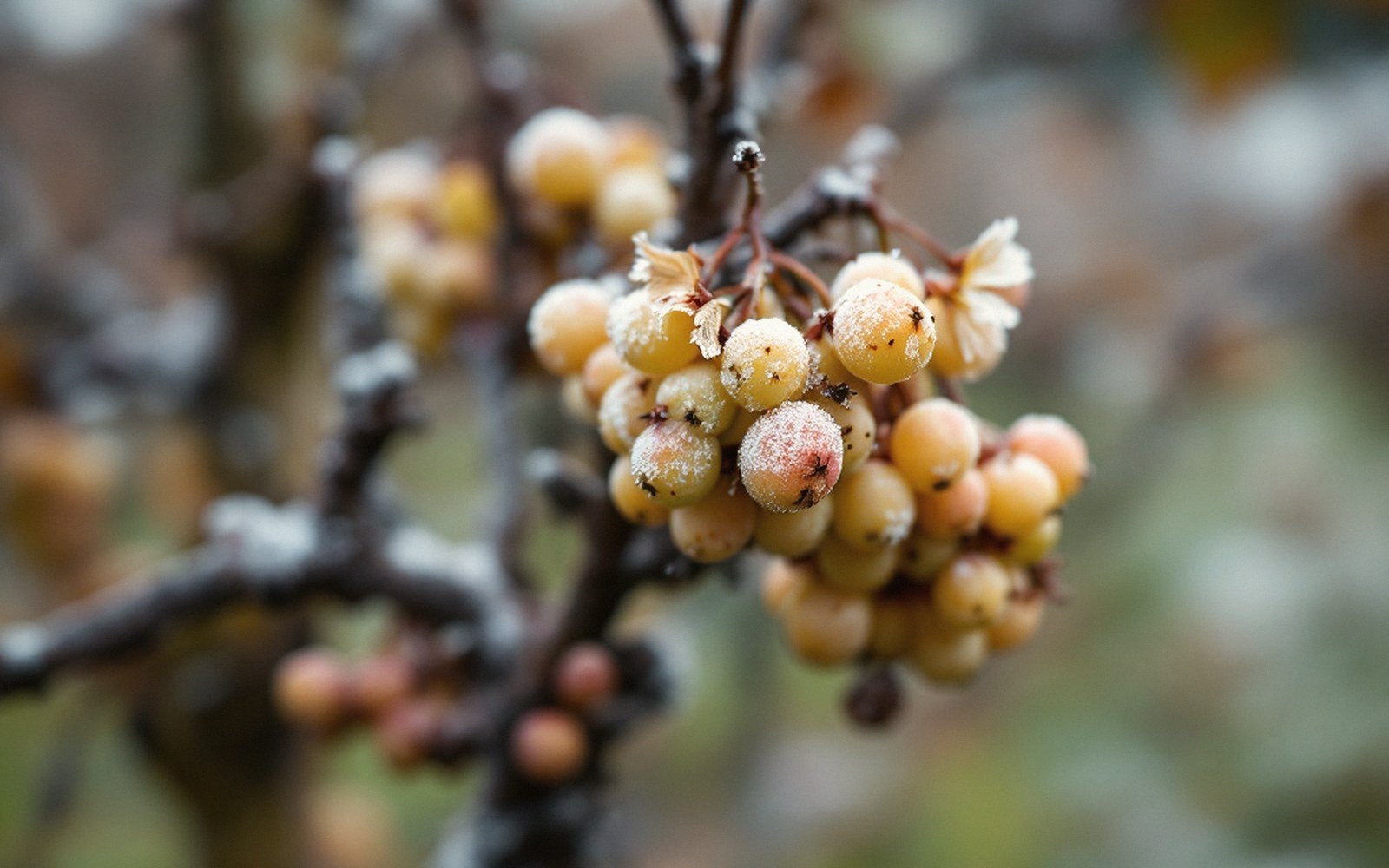
But before any of that, there is just the week itself. The mottled block. The first red berry held up to the light. The slight give when you press it. Every year it arrives at roughly the same point in the calendar, and every year it feels sudden, because the vine gives no warning — it simply changes. The growing season ends in a week of chemistry, and the ripening season begins.
Cane and Frost is an independent publication about viticulture. It is not a winery, retailer or tasting room.