Sampling
Which berries are pulled, and from where in the block.
A lazy sample reads high, and the pick gets called on a number the block cannot support.
The number means nothing if the sample is wrong
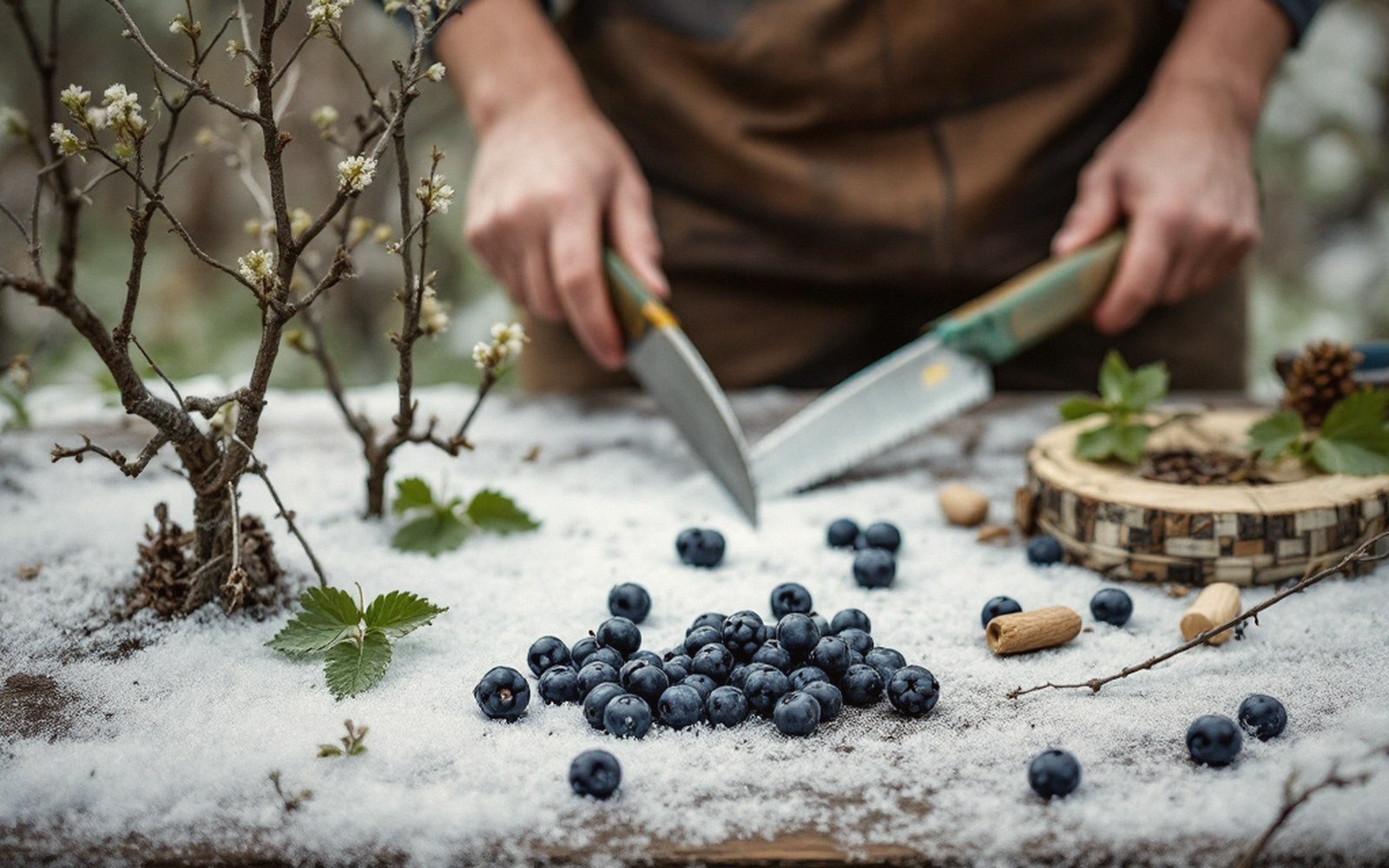
A refractometer fits in a shirt pocket. Press a single berry against the prism, fold the cover down, hold it to the sky, and the reading comes in a second — degrees Brix, the dissolved-solids percentage that serves as the field shorthand for sugar. The instrument is reliable. The harder problem is the berry you chose to put on it.
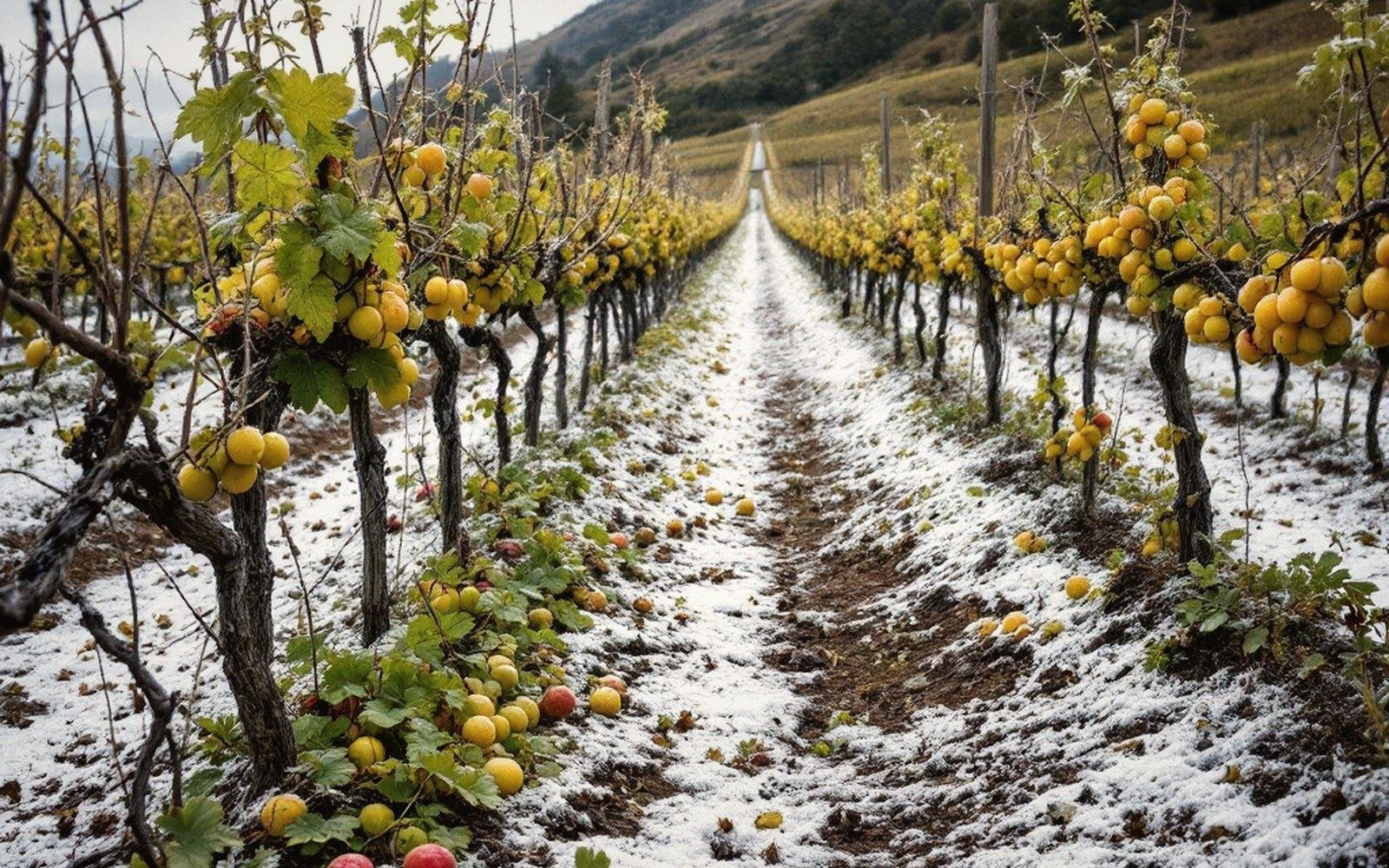
A block is not uniform. Fruit on the east-facing end of a row ripens differently from fruit in the block's interior. Berries on sun-exposed shoulders run ahead of berries tucked inside the canopy. The top of a cluster hangs in warmer air than the bottom. If you pick only the obvious, accessible berries — the ones at shoulder height, easy to reach, nicely coloured — you have sampled your confirmation bias, not your vineyard.
A serious sampling protocol fights this at every step. The block is divided into a grid, or walked in a predetermined zigzag, so that different positions — row end, row middle, upper slope, lower slope — are all represented. The picker moves through the block without stopping to consider ripeness; they pull one or two berries from a predetermined cluster position, from vines that were not chosen because they looked good or bad. The route is logged so the same path can be walked again next week and the result compared without confounding the geography.
Berry count matters too. A single-block sample of fewer than a hundred berries, drawn from fewer than thirty or forty vines, carries enough natural variance to mislead. Laboratories running commercial samples typically recommend at least two hundred berries for a Brix reading and more for a pH and titratable acidity panel, because TA in particular swings widely between individual berries and needs volume to average out. Brix alone, read in the field on a refractometer, is a quick indicator; pH and TA together tell a fuller story about physiological ripeness and the wine's eventual balance, which is why the sample often travels to a lab rather than ending its life on a prism in morning light.
The frequency of sampling rises steeply after veraison. Weekly pulls become twice-weekly as the numbers accelerate; in the final run to harvest, some growers walk every two days. Each result is plotted against the last. The trajectory — is sugar rising steadily, stalling, moving faster than expected? — matters as much as any single reading. A flat week after a hot spell may mean the vines are water-stressed and have shut down; an unexpected drop after rain may be dilution from berries taking up water rather than a loss of sugar. The number in the field is data. The interpretation is everything else.
If you pick only the obvious, accessible berries — the ones at shoulder height, easy to reach, nicely coloured — you have sampled your confirmation bias, not your vineyard.