The Canopy is the Engine
How much leaf area is built, and where it sits in relation to the fruit.
Too little leaf and the fruit never gets its sugar; too much and the fruit zone stays shaded and wet.
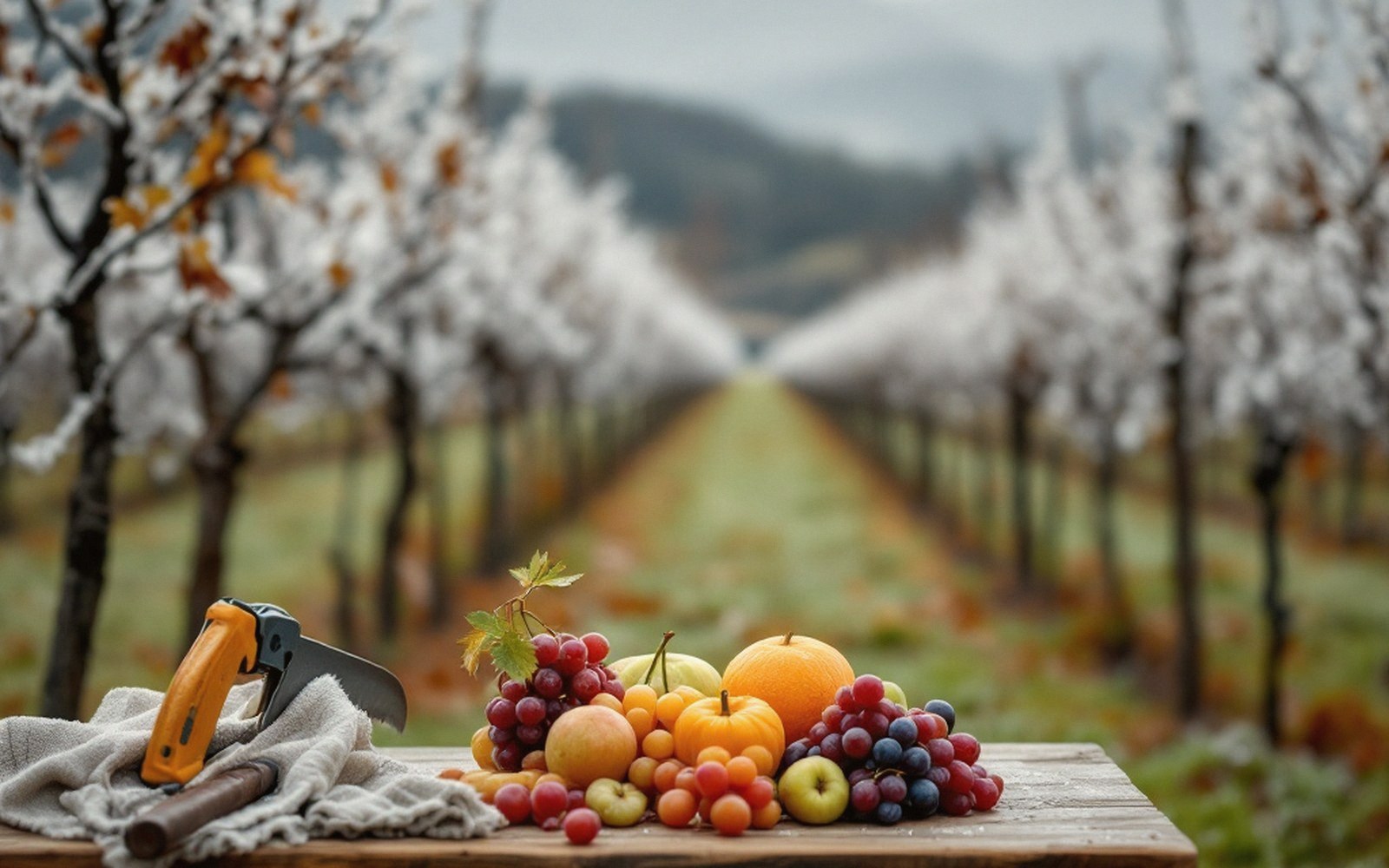
Leaves make sugar — the rest is management
A vine is a machine with one job: converting sunlight into sugar. The leaves do that work, and the canopy — every leaf, lateral, tendril and shoot together — is the engine. Everything done to a vine between bud break and harvest, all the tying and tucking and trimming and pulling, is in service of one underlying fact: leaf area determines how much sugar the fruit can accumulate. The arrangement of the leaves decides the rest.
Photosynthesis happens in the mesophyll tissue inside the leaf blade, and it needs light. A leaf shaded by another leaf running above it at the same angle is not working efficiently — it is consuming a little oxygen, producing almost no sugar, and blocking the light from reaching something below it that might do better. A vine left to its own ambitions builds exactly this kind of redundant interior, because its evolutionary goal is survival, not ripening fruit on a human schedule. The grower's whole summer project is to argue the vine back toward the sun.
The shoots that emerged from the cane or spur in spring are tied to the trellis wire through late spring and into early June — a task called tucking, or shoot positioning. Done early, while the shoots are still soft and compliant, it takes seconds per vine. Left until the tendrils have anchored where they please, it takes considerably longer and breaks more wood. The principle is straightforward: every leaf should face outward, angled to intercept light rather than intercept another leaf. Two parallel wires set close together above the fruiting wire — foliage wires — hold the shoots upright once positioned. The canopy is beginning to take its final shape.
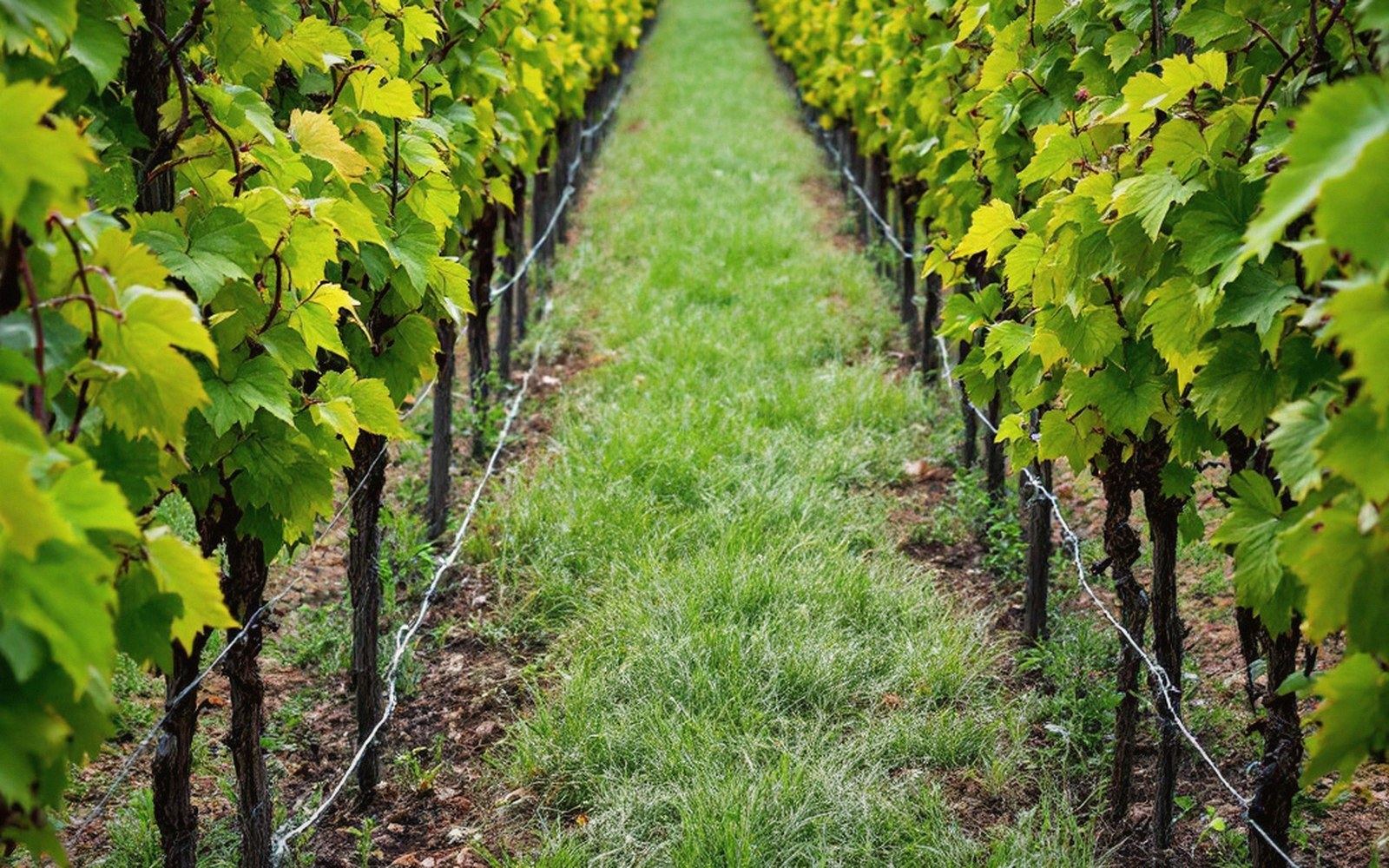
Once the shoots have pushed well past the top wire, the hedger comes through to cut the tips. Hedging is not precision pruning — it is bulk removal of the growing tip, done mechanically and repeated as the vine rebounds through summer. What it achieves is a redirection of the vine's energy: without a terminal shoot demanding resources, the vine tends to invest more in the laterals, and ultimately in the fruit. Timing matters. Hedge too early and the vine simply grows faster. Hedge too late and you have lost canopy that was doing useful work.
Meanwhile, the interior of the canopy deserves direct attention of its own. Leaf plucking in the fruit zone — removing leaves from around and immediately behind the developing clusters — serves two purposes that pull slightly against each other. Opening the zone to airflow reduces disease pressure: Botrytis cinerea thrives in the still, humid air of a dense interior. Exposing the berries to dappled light encourages even ripening and, in cool climates particularly, builds the phenolic and aromatic complexity that distinguishes a grown-from-sunlight wine from one grown in shadow. The tension is that the same exposure which strengthens the berry's response to light can, in a heat spike, scorch the skins on the sun-facing side. Timing and degree matter; a plucked fruit zone open on the morning side only is a common compromise.
The shoots that emerged from the cane or spur in spring are tied to the trellis wire through late spring and into early June — a task called tucking, or shoot positioning.
The overall leaf-area target is not a fixed number — it varies by variety, soil, and the kind of fruit being grown. What remains constant is the underlying relationship: one leaf is estimated to be capable of ripening roughly one gram of fruit to appropriate sugar levels, given adequate light and temperature. A canopy in trouble — too dense, too shaded, poorly positioned — is a factory where most of the production floor is running in the dark. The fruit suffers first.
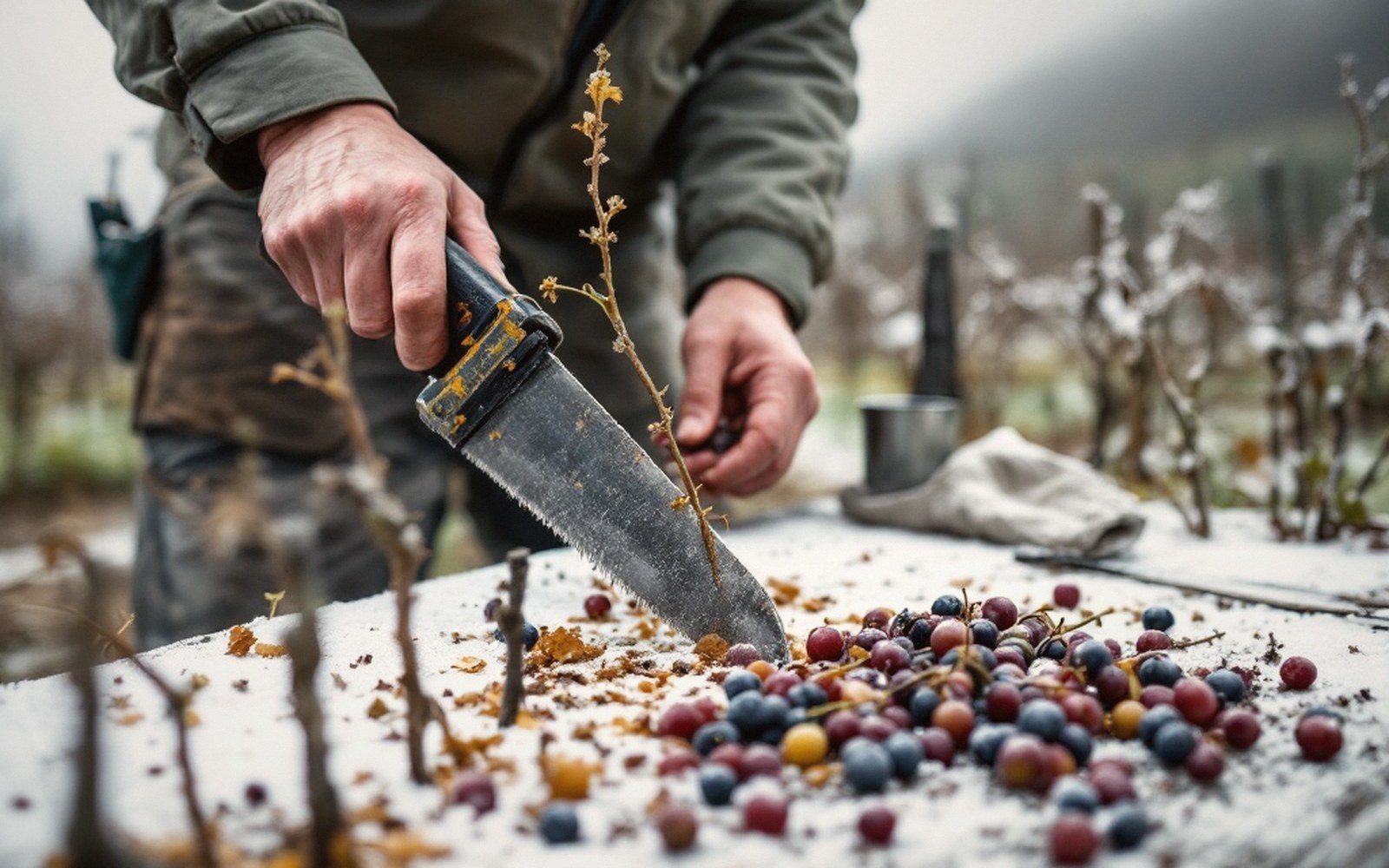
This is why shoot thinning early in the season, removing crowded or misplaced shoots entirely before the canopy closes, is work worth doing in cold hours on a June morning. Thinning a shoot then costs nothing. Trying to correct the resulting shadow in August costs a bunch. The canopy is the engine, and, like any engine, the time to set its configuration is before it runs, not while it is already at full speed.
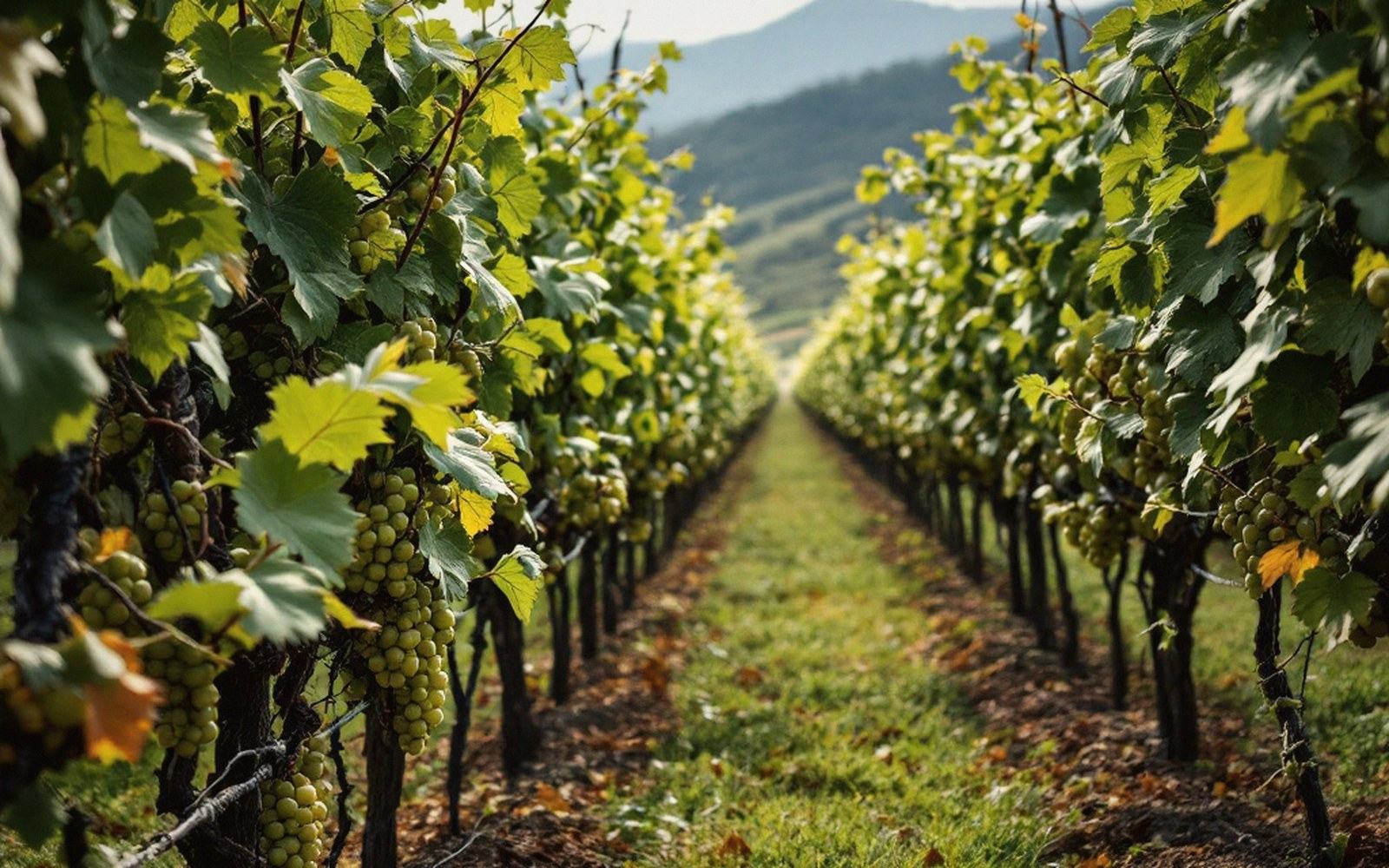
By veraison — when the berries colour and soften and the vine shifts from growth to ripening — the canopy should be largely settled. The leaves are not decorative. They are the whole mechanism.