Hedging
When the top of the row is cut, and how many times it is done.
Cut too early and the vine answers with laterals; leave it and the rows close over each other.
The cut that keeps coming back
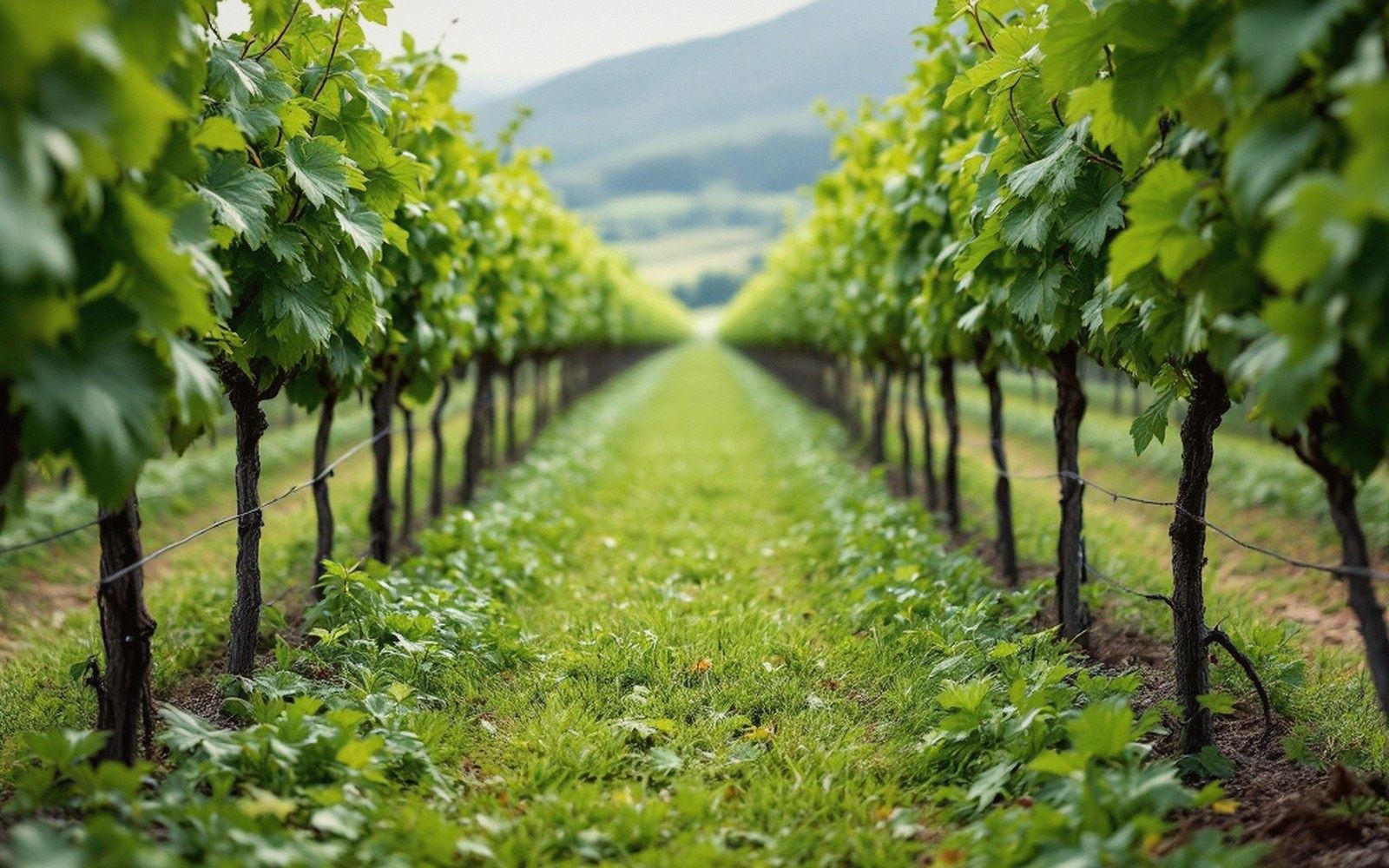
At some point in midsummer, a tractor runs down every row with a set of reciprocating blades mounted above the canopy and trims the shoots back level. This is hedging — sometimes called topping — and in most cool-climate vineyards it happens not once but two, three, or even four times between June and late August.
The reason for repeated cuts is simple: the vine does not stop growing when you trim it. Remove the shoot tip and the plant pushes lateral shoots from the nodes just below the cut. Those laterals harden off slowly and can shade the fruit beneath them, so the hedger comes back to take them off too. In a vigorous site — heavy soils, generous rainfall, a rootstock selected for production — the canopy can close again within three weeks of cutting, and the whole problem restarts.
What hedging is really managing is light. The canopy is the engine of ripening: photosynthesis in the leaves drives sugar accumulation in the fruit. But a canopy that becomes too tall or too dense shades the fruit zone, reduces air movement, and creates the humid microclimate that encourages disease. The hedge cut keeps the row at a workable height, typically held to somewhere between the top wire and a half-metre above it, and prevents the corridor between rows from closing over entirely.
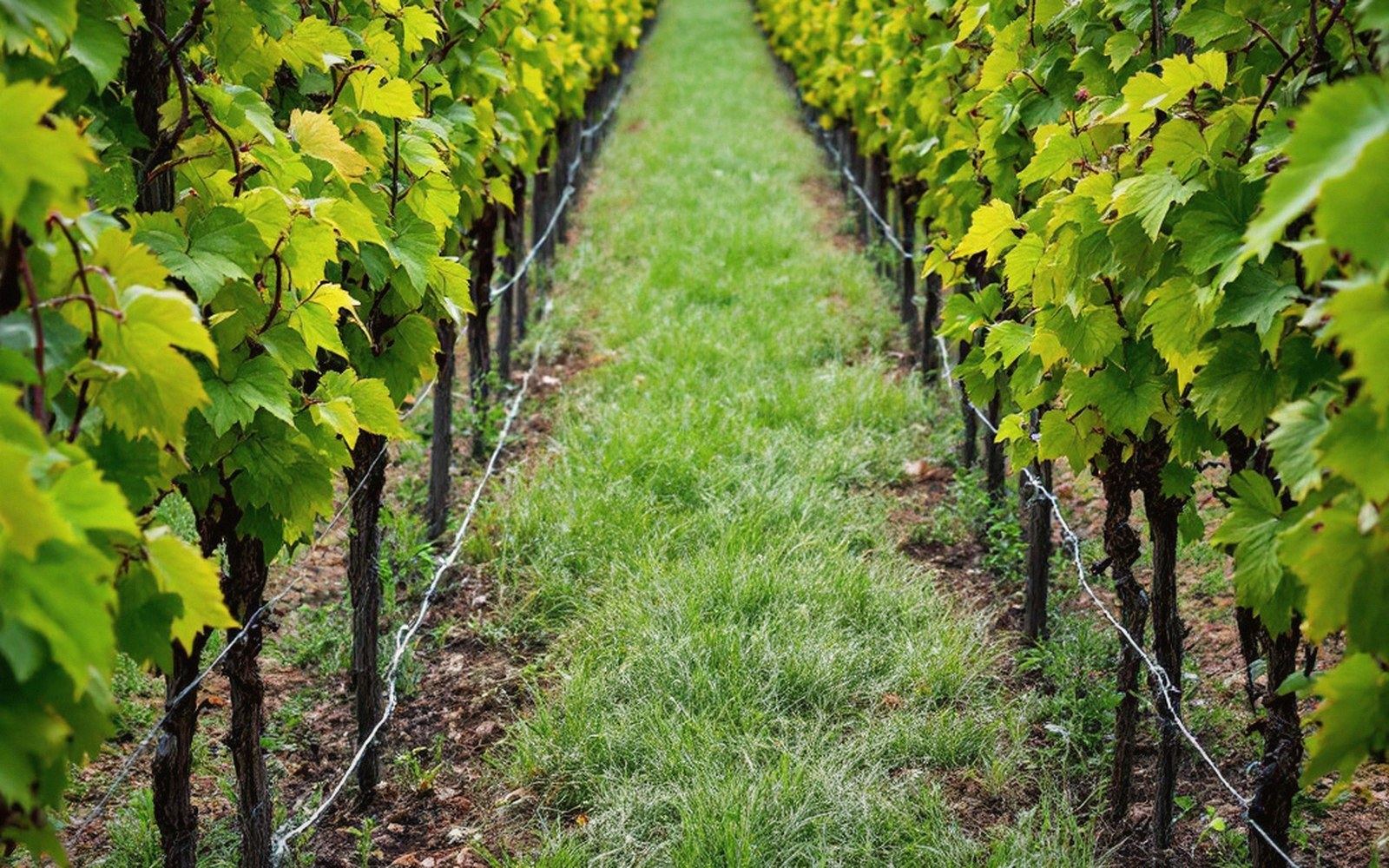
Timing matters. The first cut is often made when shoots are approaching or just past the top wire, which in a cool-climate vineyard might be mid-June or as late as early July depending on the growing season and the variety. Cut too early and you remove too much active leaf area at a moment when the vine still needs it. Cut too late and the canopy has already begun shading itself, with the basal leaves — the oldest ones, closest to the cordon — already yellowing and losing function before you lift the blades.
The sides of the row are hedged as well, though not always at the same time as the top. Lateral growth that pushes into the inter-row space blocks equipment access and adds bulk without contributing much to photosynthesis. A side trim opens the row and can be done lightly and often rather than severely and rarely.
This is hedging — sometimes called topping — and in most cool-climate vineyards it happens not once but two, three, or even four times between June and late August.
Done well, hedging looks almost violent — bright green cut ends glistening, clippings scattered across the soil — but within a few days the row settles and the fruit hangs in cleaner air. It is relentless work, repetitive and dusty, one of those tasks that defines the long middle stretch of the vineyard year.