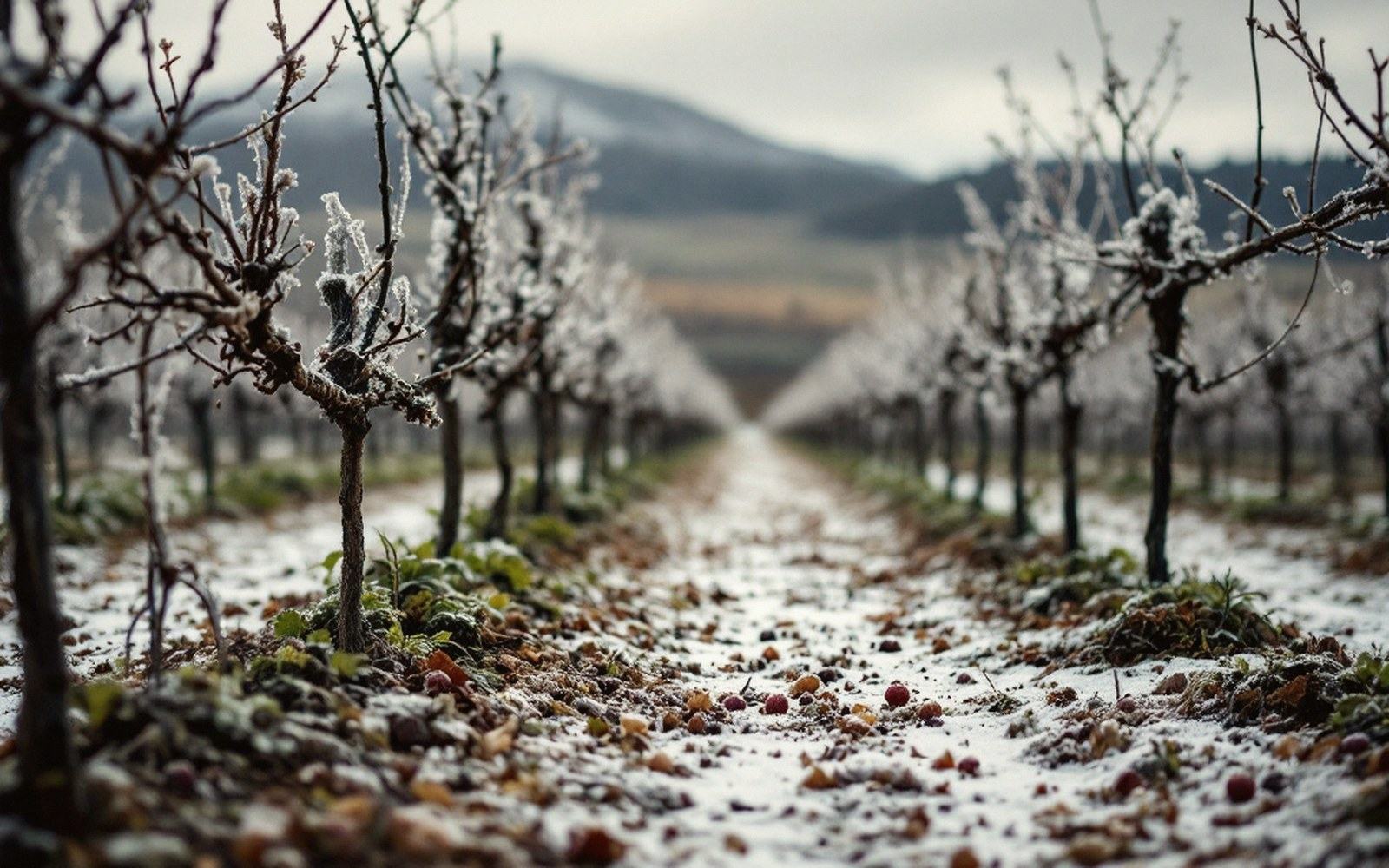
The Morning Pick
Start before light, finish before the heat builds — temperature is the first decision at harvest.
How early the crew starts, and how cold the fruit is when it reaches the press.
Warm fruit begins changing on the way in and arrives at the press already on its way somewhere.
Why the cold matters
There is a window at harvest that most growers learn to work around rather than explain. Before the sun clears the escarpment, the fruit is cold, firm and intact. Sugars are concentrated, volatiles are held, and the skin is under no pressure to give up what is inside before the winemaker is ready. An hour after that window closes, the situation changes.
Heat accelerates oxidation. A warm berry arriving at the press is already partway through processes the grower has spent the whole season trying to delay. Cell membranes soften, phenolics become unstable, and anything aromatic in the skin begins to escape rather than be captured. For white varieties especially, a drop of ten degrees Celsius at intake is not a detail — it is a different result.
The practical answer is simple and hard: you start picking before first light and you stop, or at least slow, once the temperature climbs. On a warm autumn morning that window can be as narrow as three hours. Everyone is in the row by five. The bins go to the press as fast as they come off the vine, and nothing sits in the sun to wait.
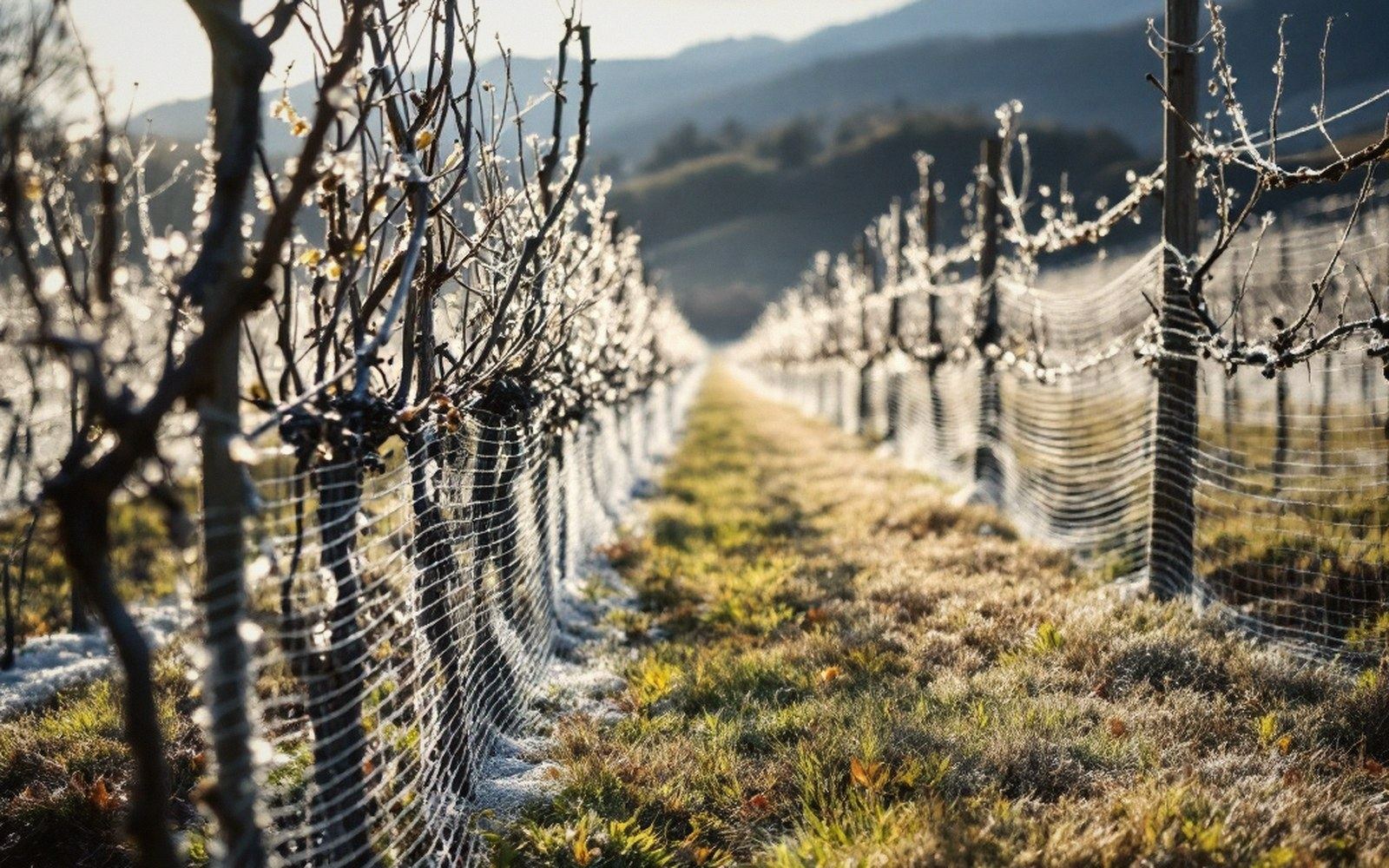
Cool-climate sites below an escarpment earn part of their reputation precisely here. Cold air pools on the valley floor through the night, and the fruit temperature at five in the morning can be ten or twelve degrees when the same fruit in a warmer region would arrive at twice that. The escarpment delays the sun a little longer. Both of those things are assets at harvest, and growers on such sites work the calendar to use them.
There is a sibling problem on the other end of the season: fruit left hanging into winter, netted against birds and watched for the freeze, where cold is the entire point. In that case the grower is waiting for low temperature rather than racing to work inside it. The logic is continuous — temperature is not a side condition at harvest. It is the variable the whole operation is built around.
The practical answer is simple and hard: you start picking before first light and you stop, or at least slow, once the temperature climbs.