Picking against the Weather
The forecast, not the refractometer, calls the harvest.
Whether to pick now or hold, on four days of forecast.
Hold through warm rain and the fruit splits and rots faster than the crew can sort it.
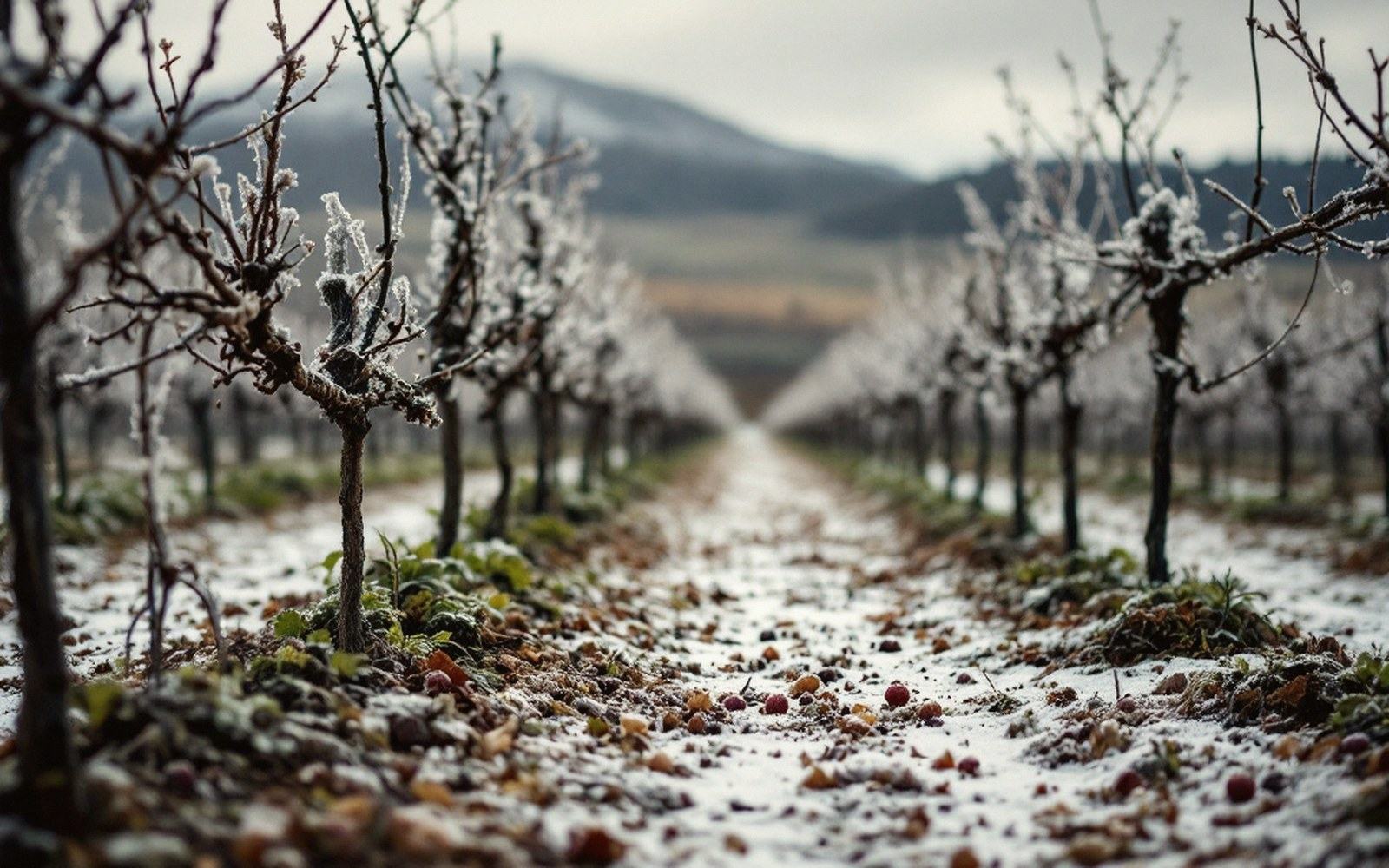
The Decision Is Never Made in Isolation
A Brix reading tells you where the sugar is. A pH strip tells you where the acid has gone. A careful taster can feel the tannins softening toward maturity. None of that is the whole picture on the morning the winemaker and the grower stand at the end of a row and have to say: we go, or we wait.
What usually tips the argument is a phone screen showing four days of rain.
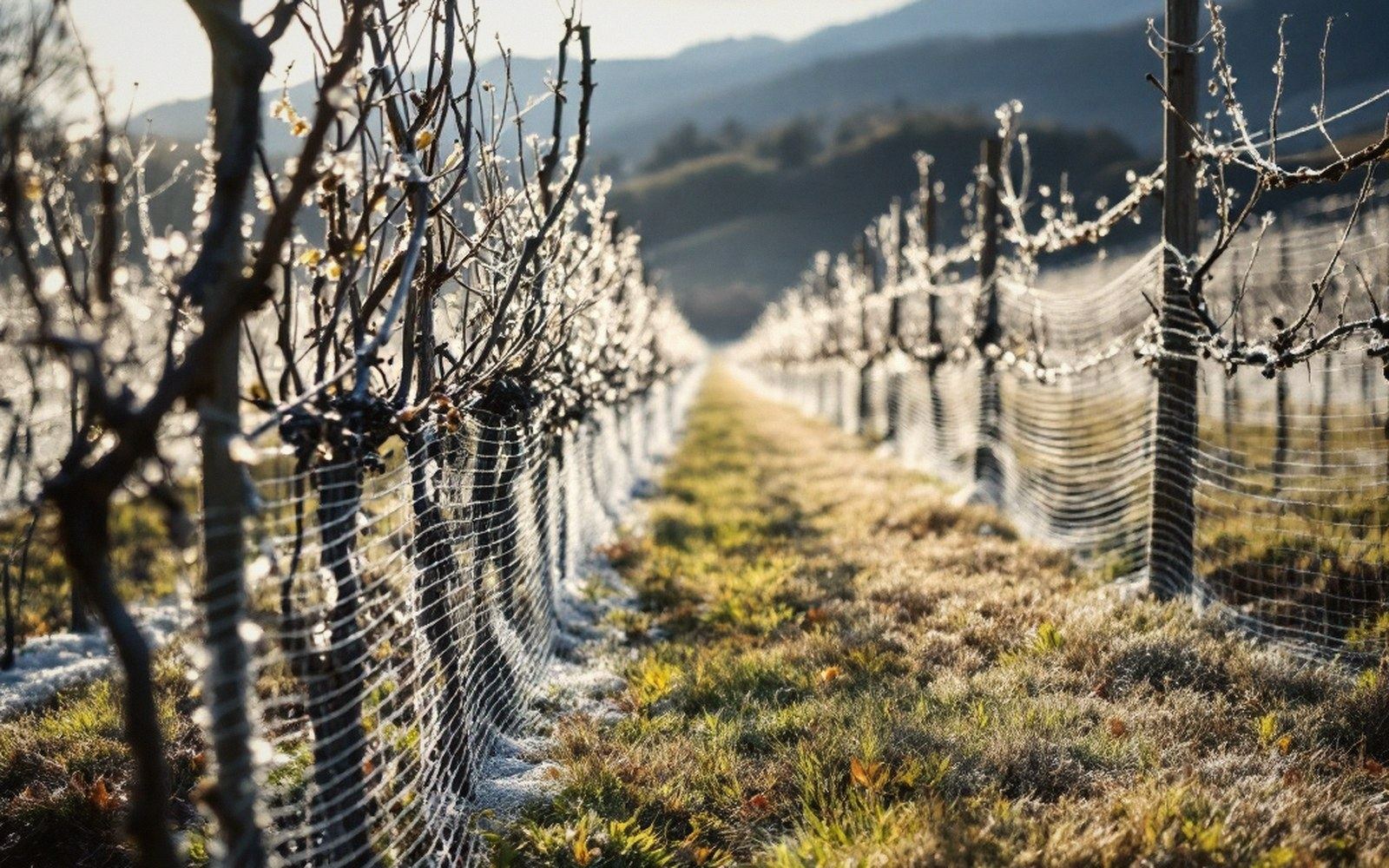
Harvest decisions in cool climates carry a particular weight because the fruit is often not quite where you want it when the window appears. Average temperatures have been dropping since late September, the nights are genuinely cold, and the vine is slowing. Sugar accumulation is no longer a straight line; it is a crawl. There may be a week's more ripening in the block, theoretically. But the forecast is saying something else, and the forecast wins.
Rain at harvest is not just inconvenience. Water taken up through the roots in a wet spell can swell berries and dilute what the season has concentrated. Worse, berries that have been under stress and then receive a sudden flush of moisture are prone to splitting, and split skin is where Botrytis cinerea — grey rot — gets its start. In a thin-skinned variety like Pinot Noir or Chardonnay, a four-day wet spell at the wrong moment can move a block from marginal to unusable in less time than it takes to arrange a picking crew.
Four Days on a Screen
The practical arithmetic goes something like this. A crew needs booking a day or two ahead. A machine harvester needs scheduling. If you pick before the rain and the fruit is slightly under-ripe, you can work with that; the winemaker will adapt. If you wait for better numbers and the rain arrives, you may be sorting on the way in, losing weight and struggling with the result. The asymmetry matters. The cost of picking a little early is recoverable. The cost of waiting too long often is not.
Experienced growers read more than the commercial forecast. They watch the barometric pressure themselves, and they watch what the escarpment does to incoming weather — the same ridge that holds cold air in the hollow on a frost night can accelerate or redirect a rain system coming off the hills. Local knowledge, held over years, is its own instrument.
Harvest decisions in cool climates carry a particular weight because the fruit is often not quite where you want it when the window appears.
Wind matters too. A dry northerly after a damp period can bring a block back from the edge surprisingly fast; surface moisture drops, the canopy opens, and the fungal pressure eases. A picking decision made on Tuesday morning, with rain behind and drying wind forecast, may look entirely different from the same decision made Thursday afternoon when the wind has swung. The crew is called, then held, then called again. This is normal.
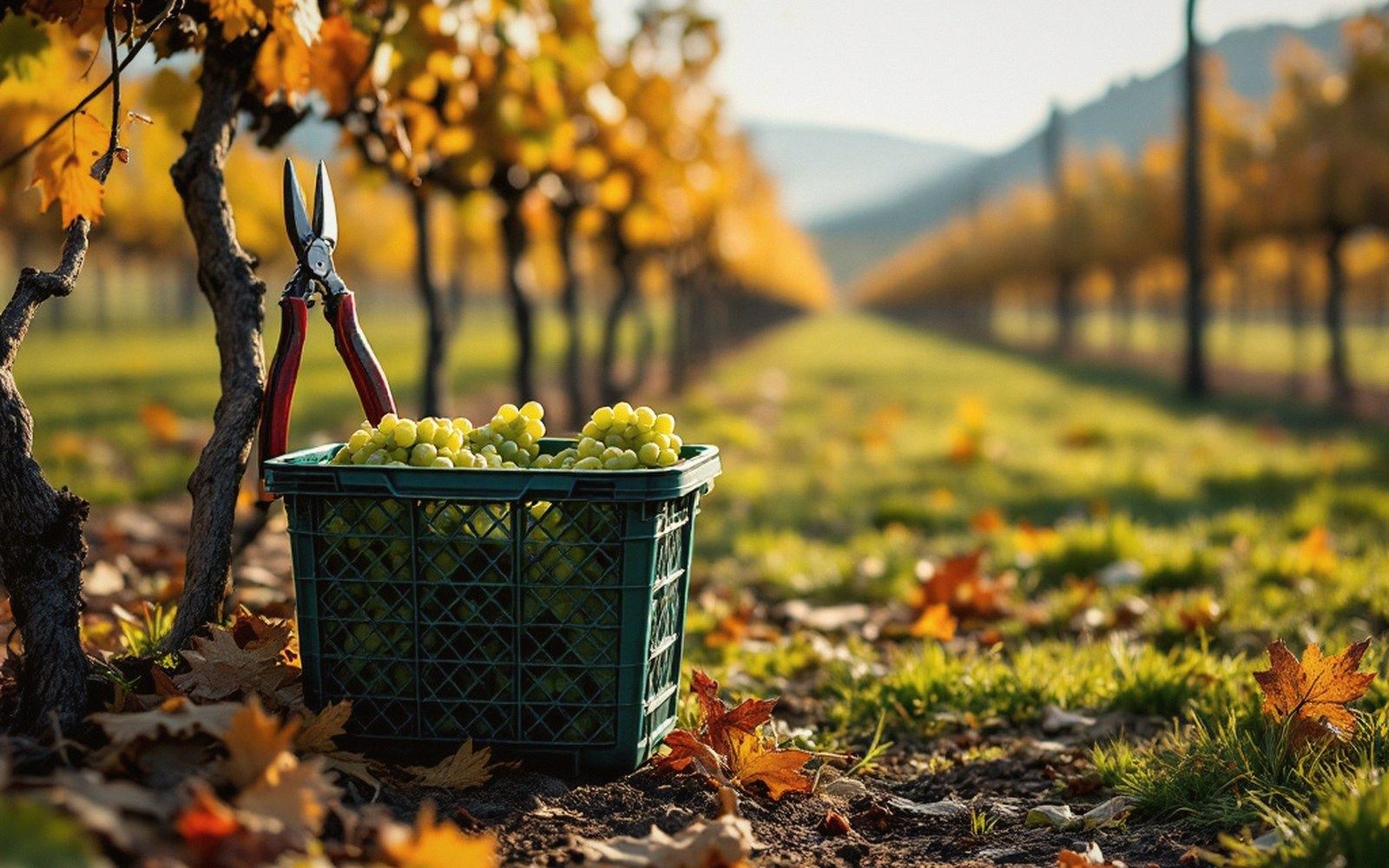
There is also the cold-night calculation running in the opposite direction. Late in the season, a forecast of two or three nights below freezing is not necessarily a reason to rush — it may be a reason to wait, if what is hanging is destined for ice wine or late-harvest and the grower has nets on and is watching for the sustained low temperature that makes frozen pressing viable. The same four-day forecast means something entirely different depending on what you are making and what your fruit can survive.
What the Refractometer Actually Does
None of this makes the analytical tools irrelevant. Brix, pH and titratable acidity set the envelope of possibility — they tell you what range of decisions makes sense and which are off the table. A block nowhere near ripeness is not going to be saved by picking ahead of rain; it is just going to be picked unripe and wet. The numbers are the floor. The forecast is the ceiling.
The experienced harvester learns to hold both at once: the measured state of the fruit in hand and the moving picture of what the sky is going to do. Ripeness is a target. The weather is the clock. When the clock says now, the target shifts — and the pick that gets made in the real world is the one that reads both, accepts the compromise and moves.