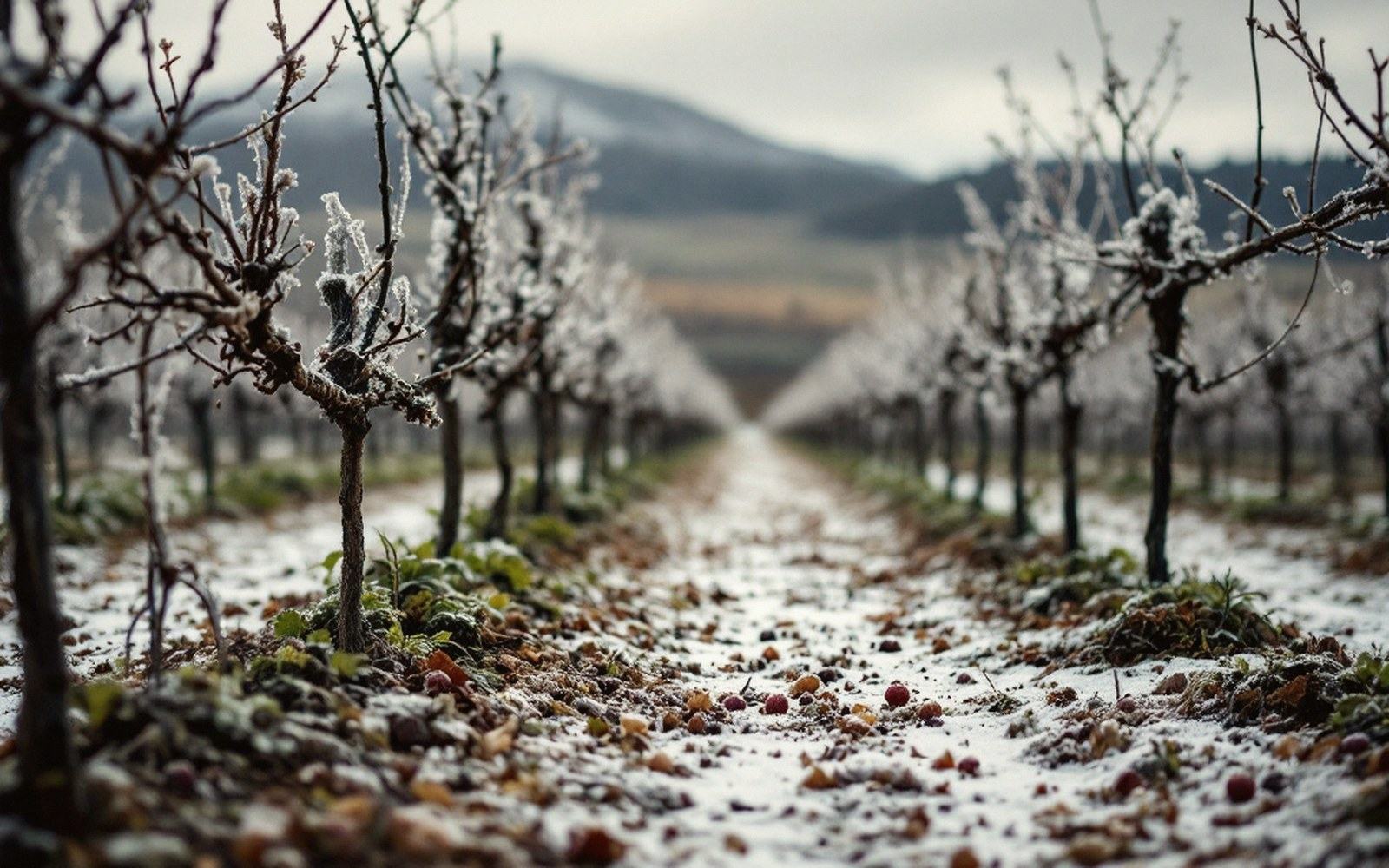
Rot and Triage
Two fungi, one decision point, and why the sorter's hand is the last line of defence.
What is sorted out on the way in, and what is allowed through.
One kind of rot is tolerable in small amounts; the other marks the whole load.
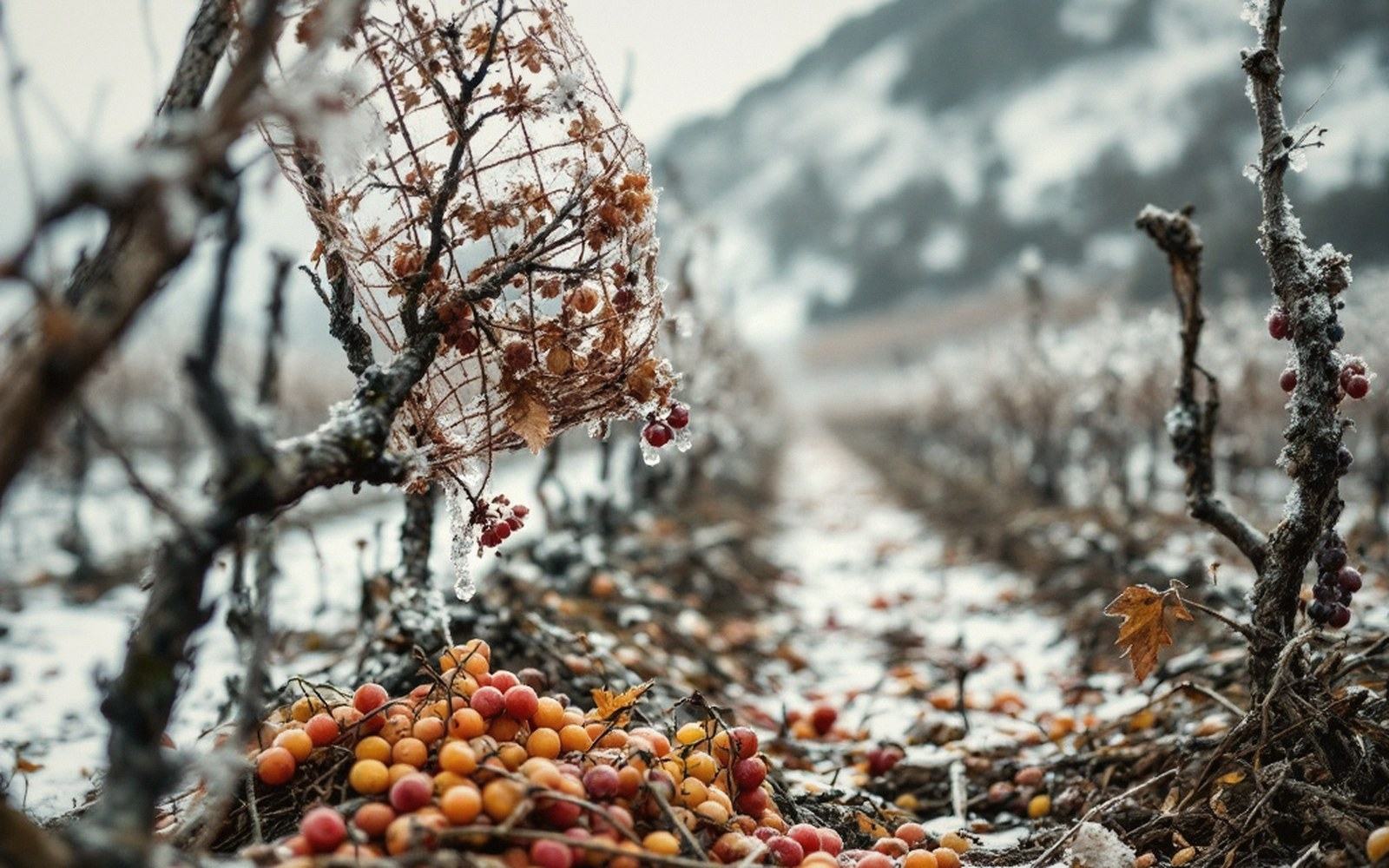
What comes off the vine is not always what you want
Noble rot and grey rot are both caused by Botrytis cinerea — the same fungus, operating under different conditions. The distinction is not academic. Noble rot (pourriture noble in French, the form prized in sweet-wine production elsewhere) requires specific weather: warm days, humid nights, then a dry-out period that concentrates the berry rather than destroying it. Grey rot, by contrast, is the harvest enemy: wet, warm conditions after veraison that let Botrytis colonise damaged or thin-skinned fruit and spread in clusters, turning bunches to brown mush.
In a cool-climate vineyard, the weather rarely delivers the precise sequence required for noble rot on any useful scale. What arrives at the sorting table is mostly grey rot, and the job is simple and unforgiving: get it out before it gets in.
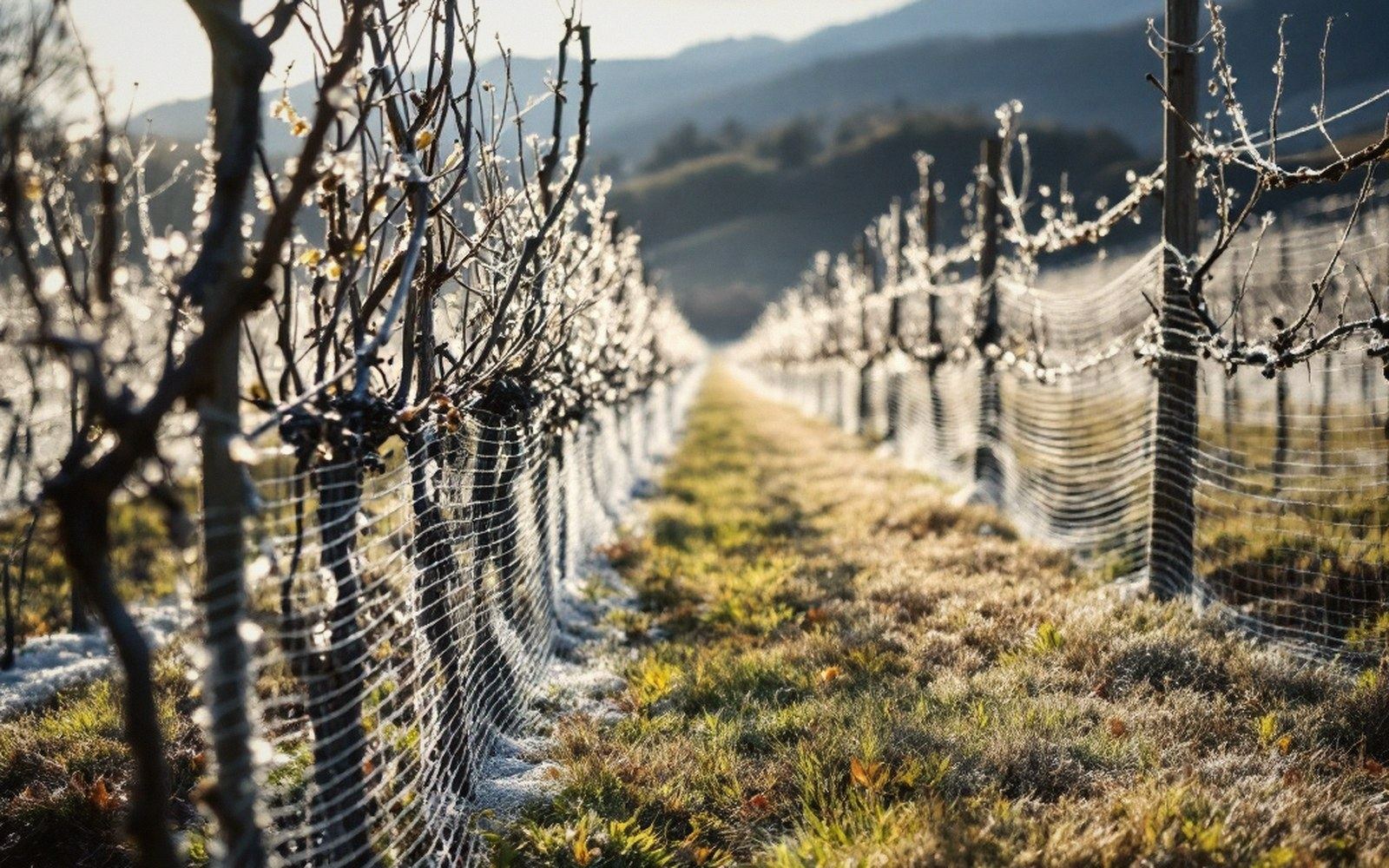
Grey rot spreads contact to contact inside a tight bunch. A berry split by rain, punctured by an insect, or simply too thin-skinned to resist provides the entry. Once one berry goes, spores move to neighbours within hours in warm conditions. By the time a picker pulls the bunch from the wire, the damage may be a single visibly grey berry — or it may be a quarter of the cluster. Either way, it comes in with the clean fruit unless someone stops it.
The sorting table
A sorting table is just a moving belt — rollers or flat conveyor — at the receiving end of the winery, placed so every bunch passes a pair of eyes and a pair of hands before it moves on. The work sounds simple. In practice, over a long harvest day with tonnage coming in fast, the cognitive load is real: spotters have to distinguish progressive rot from surface mould, a shrivelled berry from a raisined one, a dirty bunch from a diseased one. Fatigue is the enemy of discrimination.
The cut is made at the bunch level, and sometimes at the berry level — a cluster that is fifty percent sound can often be saved if a knife or scissors takes the bad portion off at the stalk. This is picking against the weather extended into the winery: time pressure, imperfect material, decisions made fast.
By the time a picker pulls the bunch from the wire, the damage may be a single visibly grey berry — or it may be a quarter of the cluster.
Growers who reduce rot pressure in the vineyard — through leaf plucking that opens the fruit zone, or through early picking before sustained rain — give the sorting table a fighting chance. Those who arrive at harvest with dense canopies and tight-bunched varieties arrive with more to lose. The sorter can recover something. They cannot recover everything.