Late Pruning
How late the cut is held in order to push bud break past the frost window.
Held too long, the whole crew's work compresses into the weeks when everything else starts.
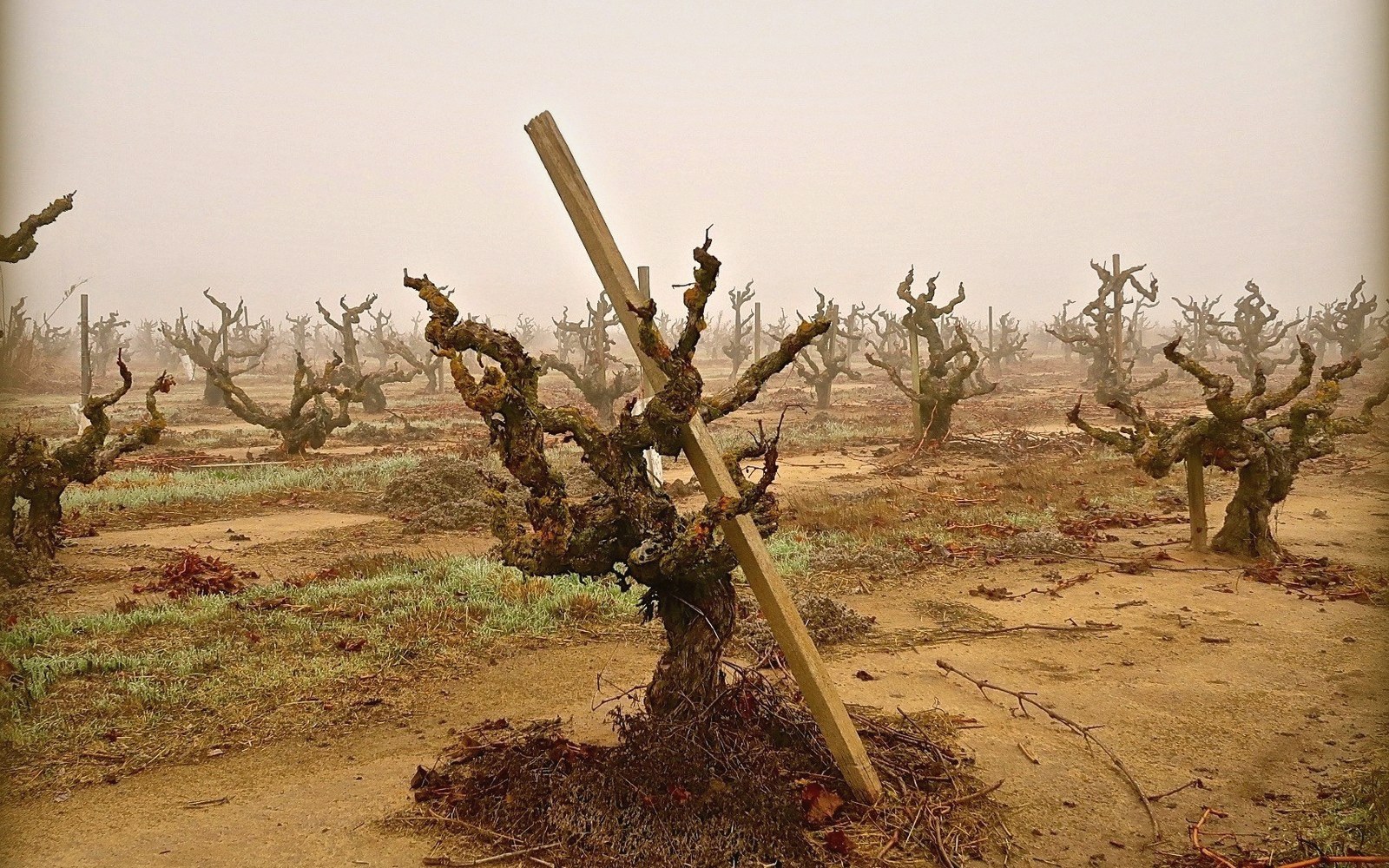
Delaying the cut to buy a few days of safety — and what you give up to get them
A vine pruned in January breaks dormancy when the calendar tells it to. Delay the cut until March, and the buds follow the blade: they open later, sometimes by a week or more, shifting that fragile window of new growth past the worst of the frost calendar. It is one of the simplest interventions available in a cool-climate vineyard, and one of the most useful.
The mechanism is passive. An unpruned vine bleeds energy into a tangle of old canes, suppressing the push of the primary buds. Cut late — when the wood is already swelling but not yet fully awake — and that energy redirects suddenly into far fewer growing points. The delay is real, though variable: five days is common, ten is possible in a cold spring. Where one night in May can remove an entire crop, five days can be the difference between a full year's income and bare wire.
The trade is also real. Late pruning compresses the season. Shoots that emerge later must ripen fruit in the same number of growing-degree days, but with less buffer at the end. In a marginal climate, cutting late means gambling spring frost against autumn cold — and autumn cold is not always the lesser risk. There is also the labour problem: a vineyard pruned in January can spread the work across two quiet months; a vineyard pruned in March has all of it stacked into a short window when weather is unpredictable and crews are already committed elsewhere.
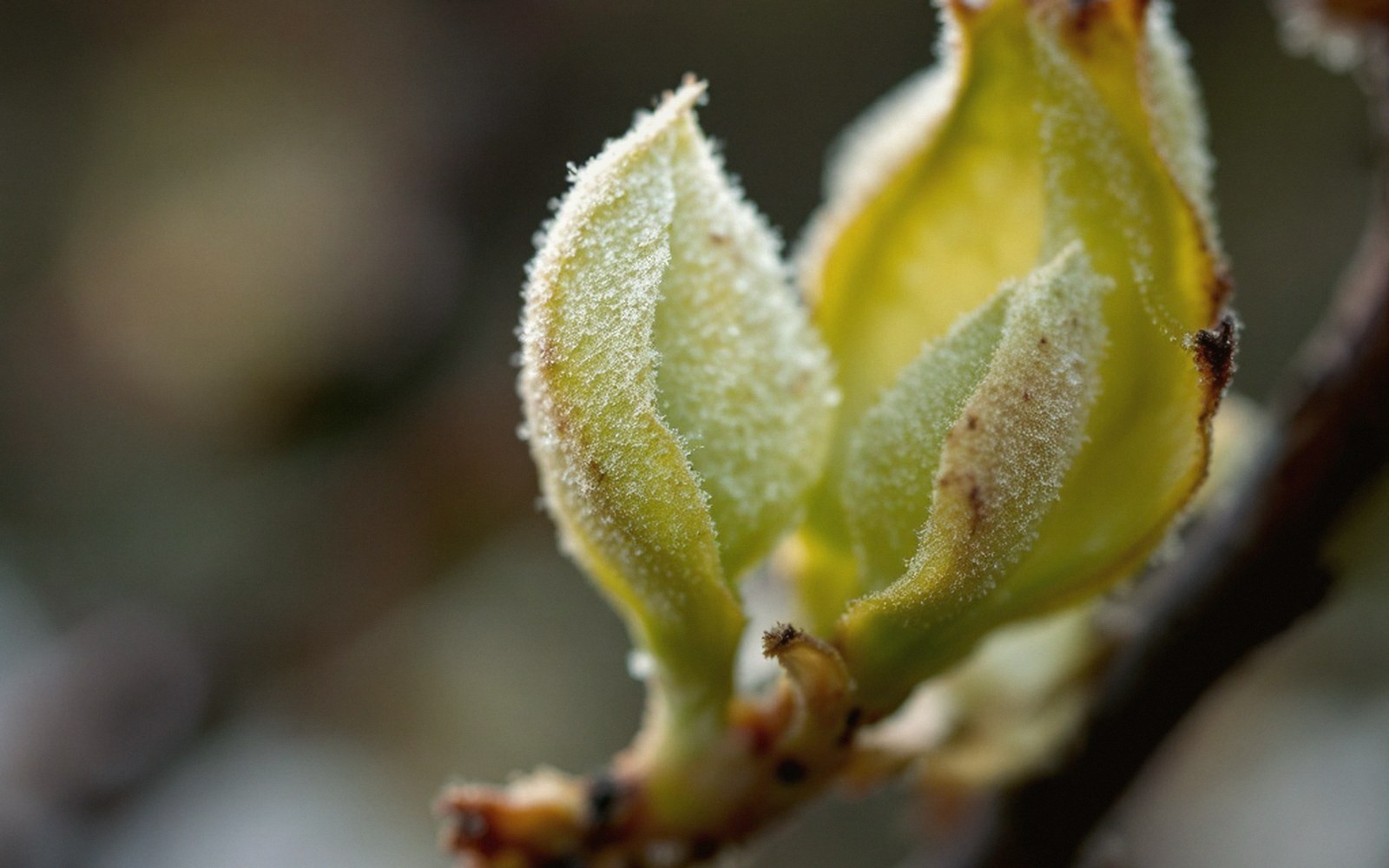
Some growers compromise by double pruning — rough-cutting in winter to a temporary long cane, then returning to final bud count once the risk picture is clearer. The vine loses the first flush of its energy on wood that is removed, which slows bud break usefully. The counting of buds to the right number still happens; it simply happens later, when frost probability has dropped.
Late pruning does not eliminate risk. It shifts it, and occasionally it shifts it somewhere better.
Cut late — when the wood is already swelling but not yet fully awake — and that energy redirects suddenly into far fewer growing points.