Wind machines and fires
Which frost defence the block is built around, if any.
A defence chosen for the wrong kind of frost burns fuel all night and changes nothing.

The physics behind both answers
When clear, still air allows warmth to radiate upward from the ground and cold air pools in the low places of a block, the temperature at bud height can fall several degrees below the reading at the weather station a kilometre away. That difference is the gap that wind machines and frost fires are trying to close.
A wind machine is a tall-masted propeller, often diesel- or electrically-driven, capable of spinning the air across a hectare or more of vineyard. It works because frost, in the absence of an advective cold snap, is a temperature inversion event: warmer air sits a few metres above the vines, colder air beneath. The machine draws that warmer air down and mixes it into the canopy zone, raising temperatures by roughly two to three degrees Celsius in favourable conditions — enough to hold the margin on a night that would otherwise tip into damage. The protection is real, but it is not infinite. If the ambient air above the inversion is itself too cold, or if a wind from outside breaks the inversion naturally, the machine has little left to offer. And a machine running at low temperatures on a long night will eventually outrun its fuel.
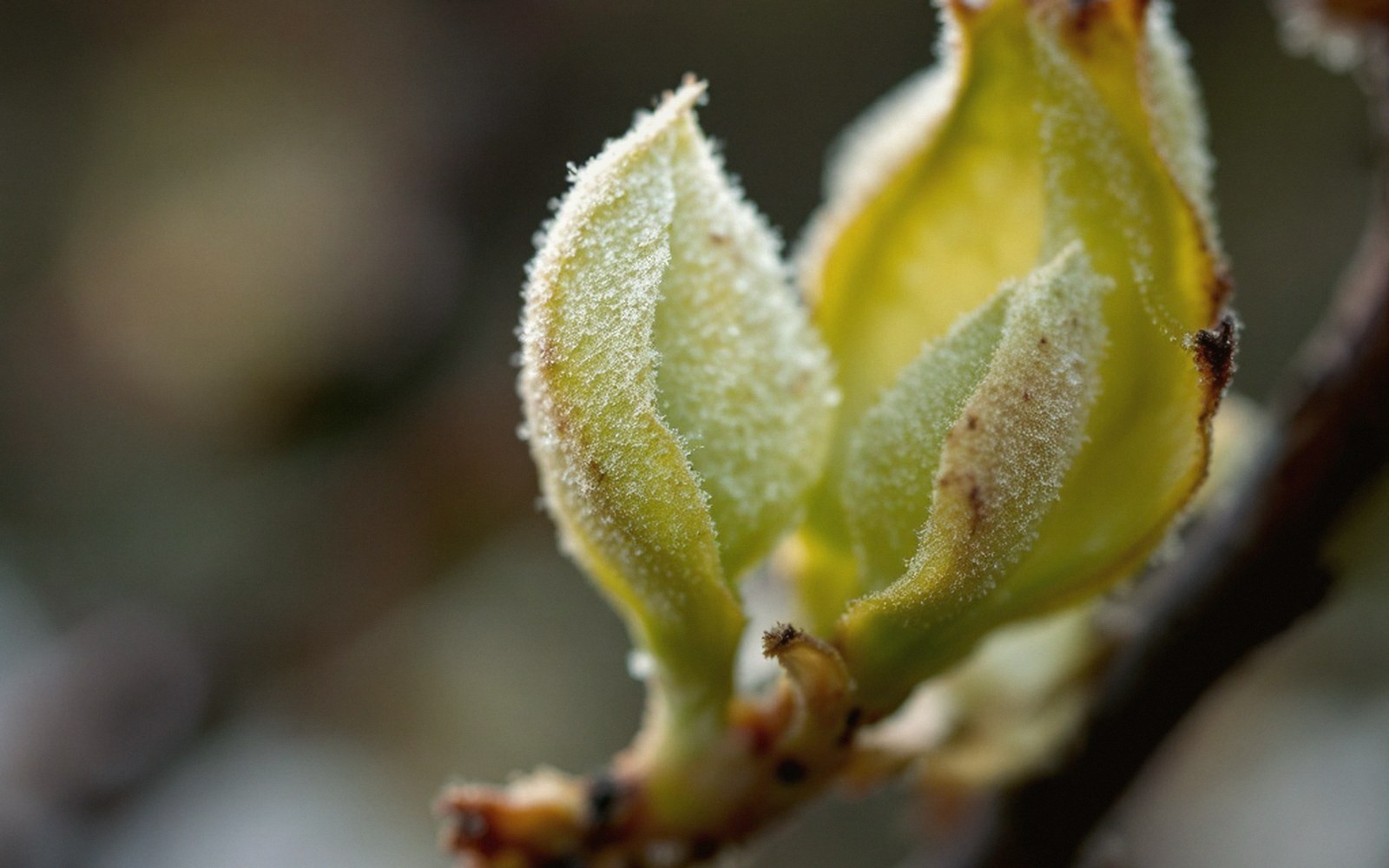
Frost fires — smudge pots, wax burners, propane heaters or simple brush piles, depending on the era and the budget — work differently. They generate heat directly. A lit heater placed in a row raises temperature locally and, with enough of them distributed across the block, the aggregate effect can protect the fruit zone for the hours that matter most. Labour is the problem. Someone has to light them, tend them, and walk the block through the cold hours of the night; a large block demands many hands. For that reason, frost fires in modern cool-climate vineyards have largely given way to overhead irrigation, where water freezing on the buds releases latent heat and holds tissues at zero while the air drops below it — though the water demand is considerable and the infrastructure is not universal.
Wind machines and heaters are frequently combined: the machine handles the bulk mixing while spot heaters address the coldest pockets the propeller cannot reach. Neither is a substitute for reading the terrain carefully before planting — understanding how cold air runs downhill and where it pools is the first line of defence. An investment in both machines and heaters is always a second line, deployed when the ground has already been chosen for its drainage. A well-sited block on a slight slope, with good air movement off the escarpment, will call on neither as often as a block planted in the hollow below.
It works because frost, in the absence of an advective cold snap, is a temperature inversion event: warmer air sits a few metres above the vines, colder air beneath.