One night in May
A single frost after bud break can strip a cool-climate vineyard of its entire crop. The defences are real. So are their limits.
What is done, if anything, on a clear still night after the buds have swelled.
A few hours below freezing removes the primary shoots and most of the year's income.

The moment of maximum danger
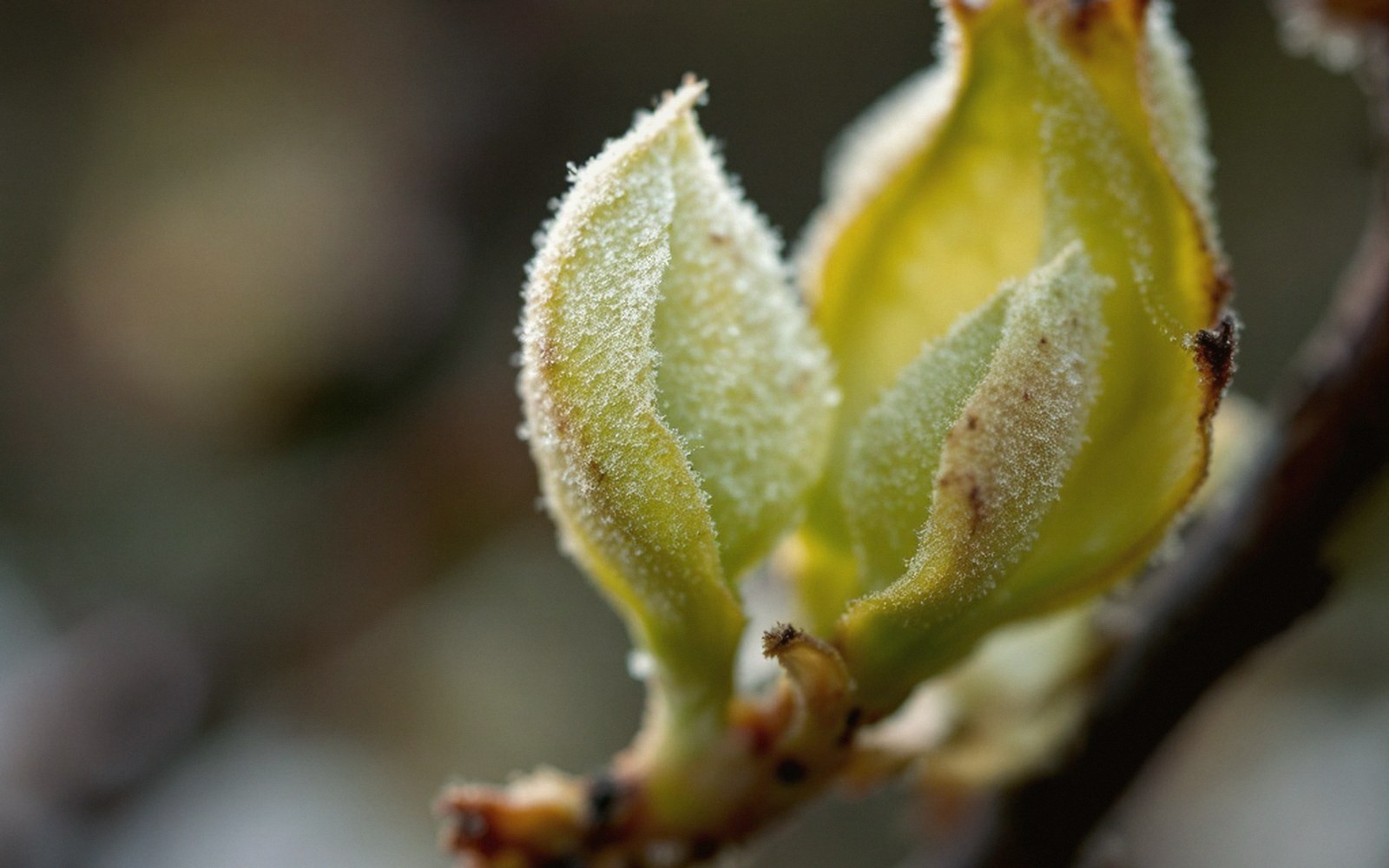
Bud break is the most exposed week in the vineyard calendar. Before it, the dormant vine can tolerate temperatures that would kill a young shoot outright. After it — sometimes only days after — a tendril of green tissue no thicker than a matchstick is standing in open air, and it will die at around minus two degrees Celsius. The window of danger runs from the first swelling buds through to the point in late spring when the shoots have hardened enough to take a light freeze without collapsing. In a cool-climate vineyard below an escarpment, that window can be six weeks long.
What makes the timing so treacherous is that bud break is driven by heat accumulation, not by the calendar. A warm March pulls the vine out of dormancy. Then April turns cold, or May does, and the frost comes not to dormant wood but to the thing you have been waiting all winter to see.
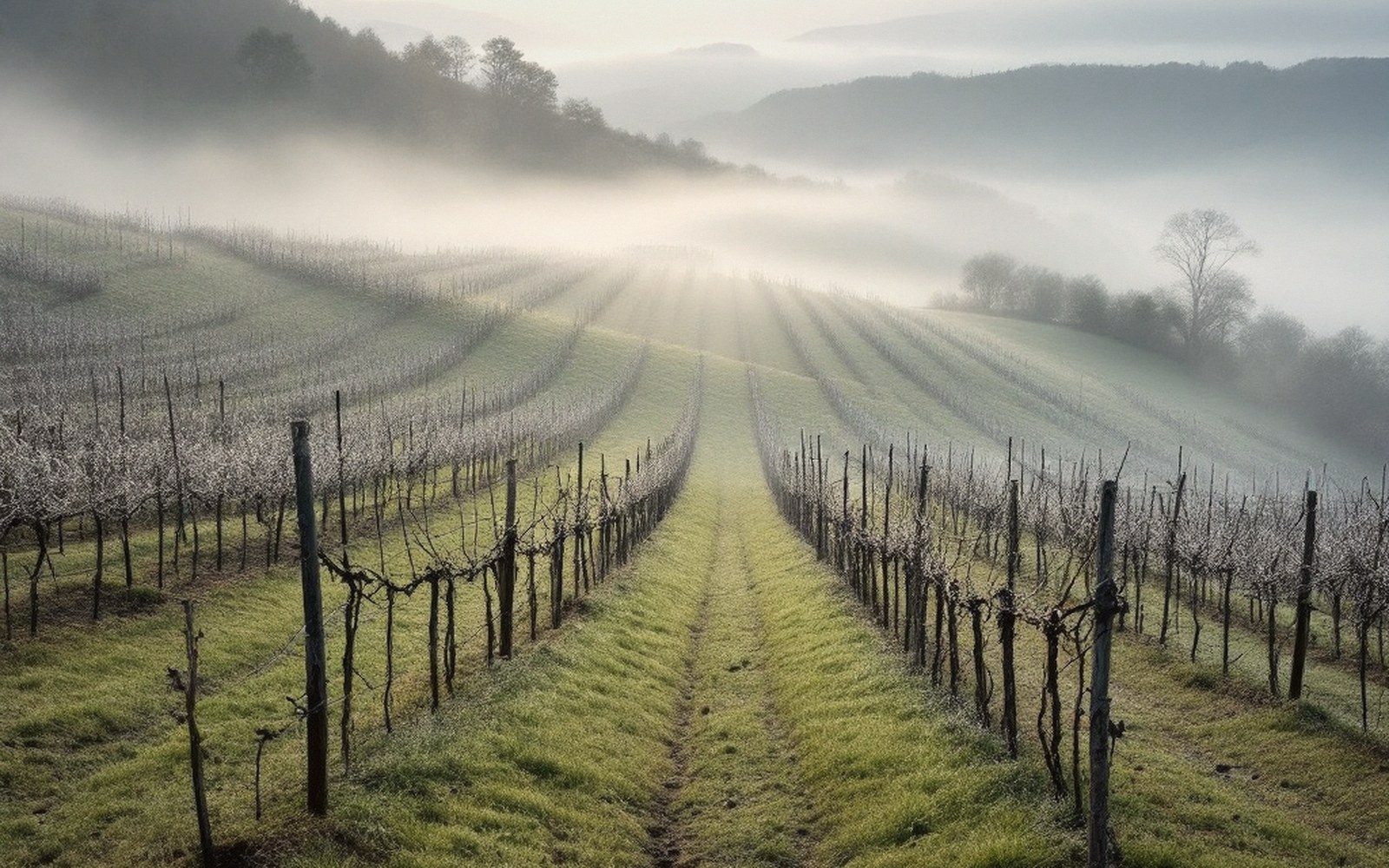
Cold air behaves like water. It flows downhill, pools in low ground, and air drainage determines which blocks get hit and how hard. A vineyard tucked against a slope bottom can lose everything on a night when the rows twenty metres higher escape with scorched tips. Growers who have farmed the same land for years know which rows frost first. That knowledge is earned.
What is done, and what it actually achieves
The main tools — wind machines and fires — are genuine interventions, not folklore. A wind machine works by mixing the warmer air sitting a few metres above the vines down into the frost pocket below. On a calm radiation frost night, that temperature inversion is real: it is measurably warmer at five or six metres than at ground level, and a large fan can push that layer down and raise the vineyard floor by two or three degrees. That can be the difference. It can also not be, if the temperature falls below minus four or five, where no amount of mixing saves delicate shoot tissue.
Open fires — smudge pots, purpose-made burners set along the rows — add heat directly. They are labour-intensive, they must be lit before the temperature drops, and they require someone to be watching at two in the morning. On a still night in a small block, they work. On a windy night they lose heat faster than they make it, and on a large property they simply cannot cover the ground. Wind machines and fires are both honest tools with honest ceilings.
Overhead irrigation, used in some regions, forms an ice shell around the bud. The phase change releases latent heat as water freezes, and that heat keeps the tissue inside at roughly zero — alive, if only just. It demands a reliable water source, a functioning system, and the nerve to watch your vineyard turn to ice and trust the physics. In a dry spring, or where water rights are tight, it is not available.
After it — sometimes only days after — a tendril of green tissue no thicker than a matchstick is standing in open air, and it will die at around minus two degrees Celsius.
What does not work is wishful thinking about the forecast. A predicted low of minus one has a way of becoming minus three by four in the morning, and by then the decision about whether to run the machines was made six hours ago. Growers who have lost a crop to a single night tend to run everything earlier the next time, at more cost, more often than the frost actually arrives.
Late pruning is the one intervention that acts before the night, not during it. Delaying the cut delays bud break by days or even a week or two, keeping the vine dormant a little longer into the season and moving its vulnerable period past the worst of the frost window. It costs something — compressed growing season, later ripening — but for blocks with a known frost history, the trade is often worth making.
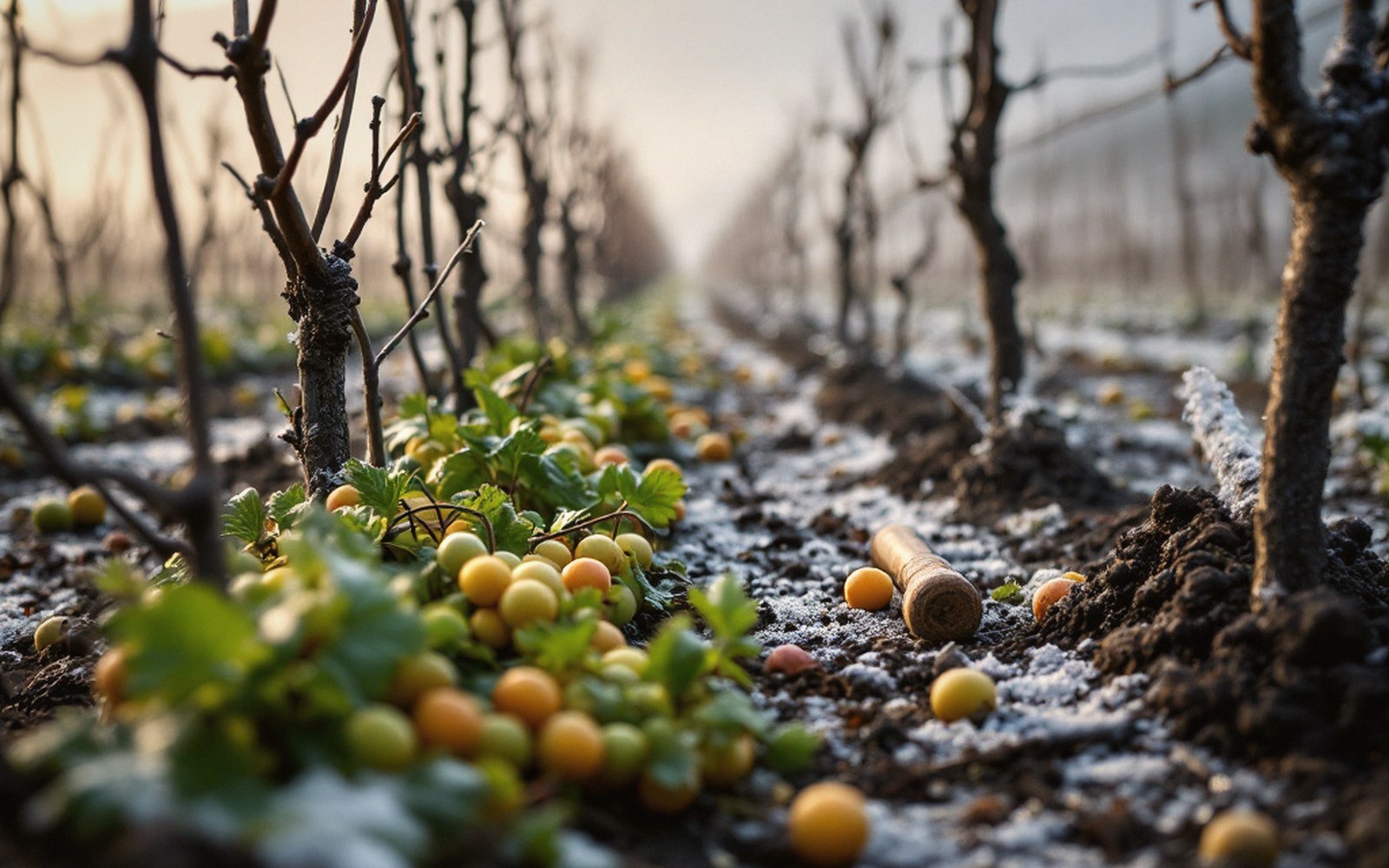
One night in May is enough. That is the fact the whole spring is organised around.