Counting Buds
Every bud left on the vine in January is a decision about what autumn will look like.
The bud number for each vine, worked back from a target yield and the block's own record.
A count set from a guess overcrops the vine and compromises the wood the next winter is pruned from.
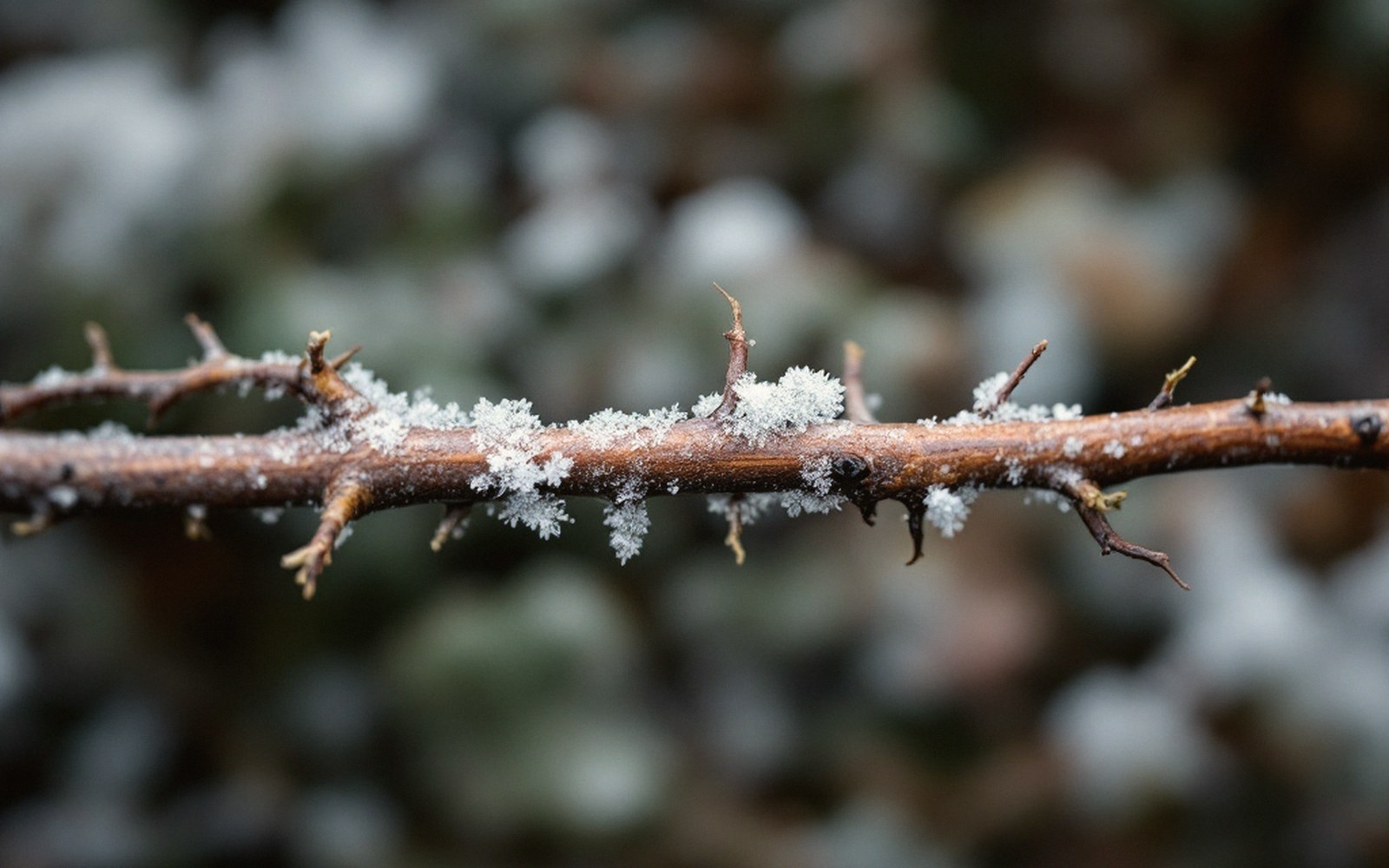
The arithmetic of the cut
A vine does not know restraint. Left alone, it would push dozens of shoots and set more fruit than it can ripen, exhausting itself in the process. The pruner's job is to override that impulse — and the primary tool is not the secateurs but arithmetic.
The basic unit is the bud. Each bud left on the retained wood carries the potential for one shoot; most fruitful shoots on a mature vine will carry one or two clusters. So the number of buds you leave — across the whole vine, across the whole block — is the first and most consequential yield forecast of the year, made in January cold before anything has moved.
The starting point is the previous harvest. If a vine produced well and the canes are thick and well-ripened, it has demonstrated it can support a reasonable bud load. If it struggled — small berries, poor colour late in the season, thin cane wood — it is telling you it was overcropped, and the response is to cut back harder. This reading of last year's performance into this year's pruning is sometimes called balanced pruning, and the underlying logic is simple: the bud count should match what the vine proved it could handle.
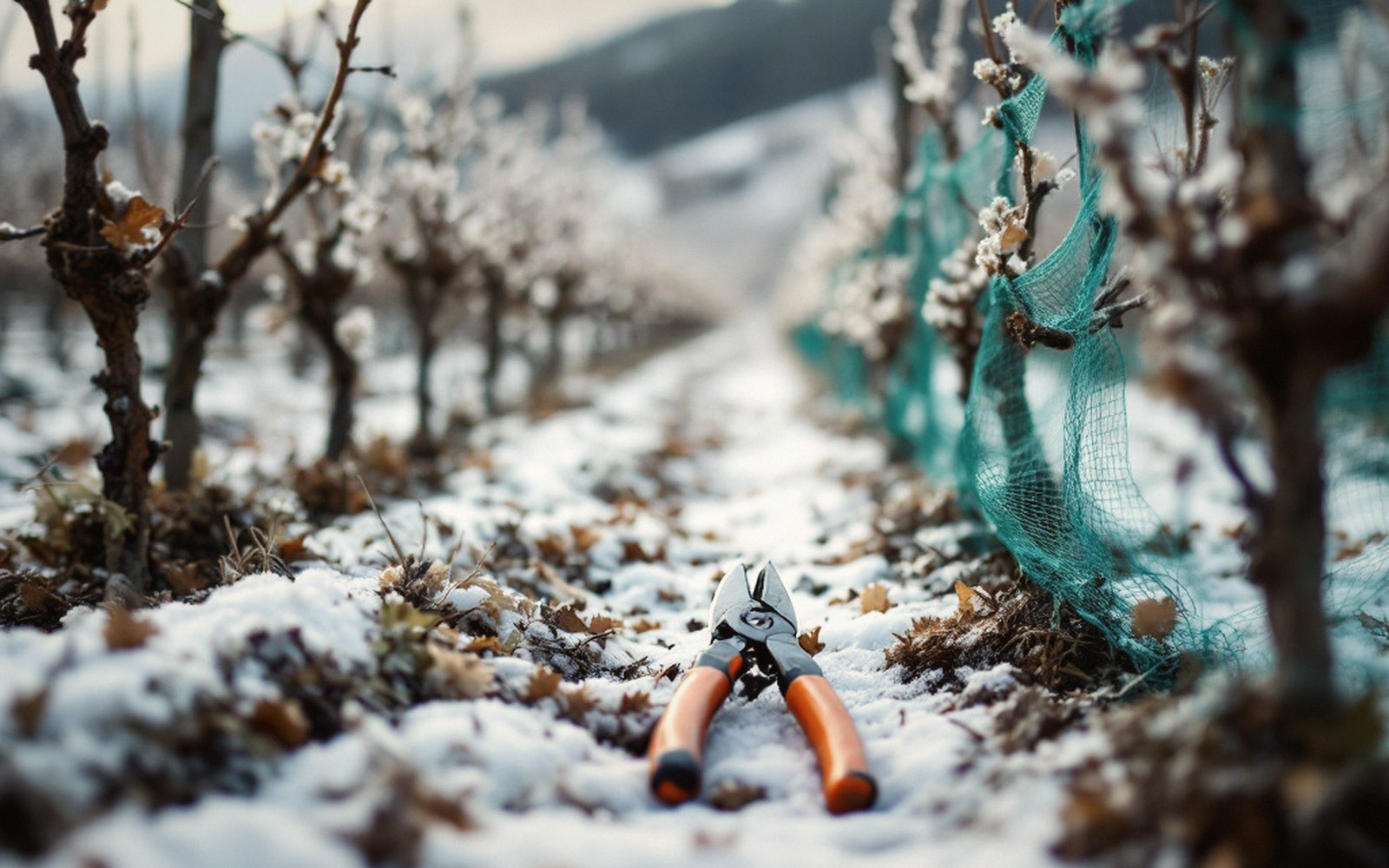
One widely used framework ties the number of retained buds directly to the weight of cane removed. A vine that yields a kilogram of prunings might be left with a specified number of buds per unit of that weight, with adjustments for variety and site. The numbers vary by system and region, but the principle holds everywhere: more wood removed means more buds remain, and the vine is cut to what it earned, not to an abstract target.
In practice, a skilled pruner also reads the individual vine — the angle of the canes, the diameter of the internodes, the position of the best wood relative to the cordon or head — and adjusts within that framework. The choice between cane and spur pruning shapes how many positions are even available. A badly placed bud on excellent wood is still a compromise; a well-placed bud on weak wood is a liability.
If it struggled — small berries, poor colour late in the season, thin cane wood — it is telling you it was overcropped, and the response is to cut back harder.
What makes the count feel provisional is what comes next. Spring frost can remove buds that were perfectly placed. A warm wet week can push them all at once into congestion. Secondary buds, if primaries are killed, are a partial backstop — but they carry less fruit and ripen later. Every bud left on the wire in January is a bet placed in good faith against weather that will do as it pleases.
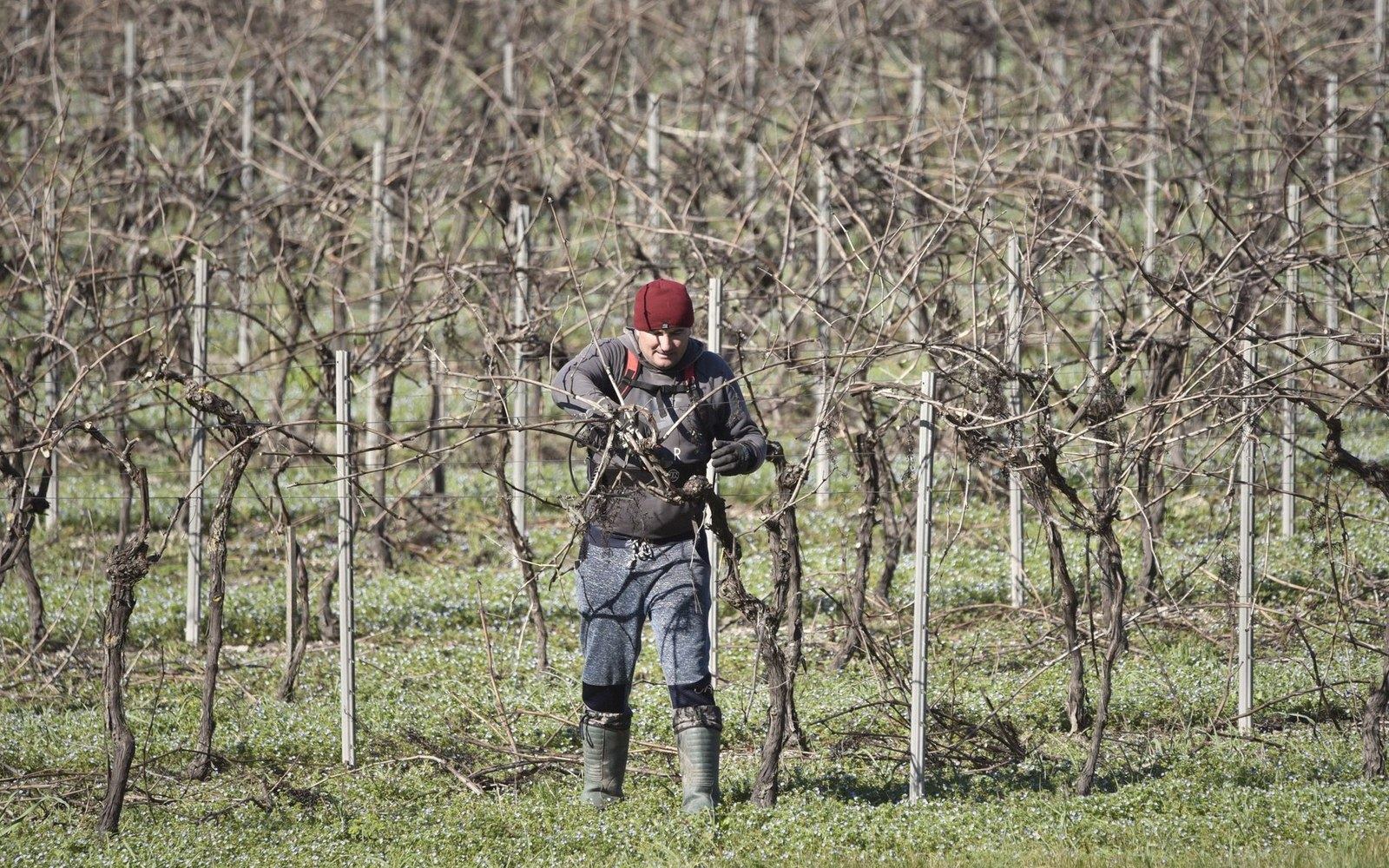
The pruner counts anyway. It is the only forecast that matters before the season begins.