Secondary Buds
Whether to count on the vine's own back-up growth after a frost.
Secondary buds carry a fraction of the crop, so planning around them is planning for a short year.
The vine's own insurance, and why it is a poor one
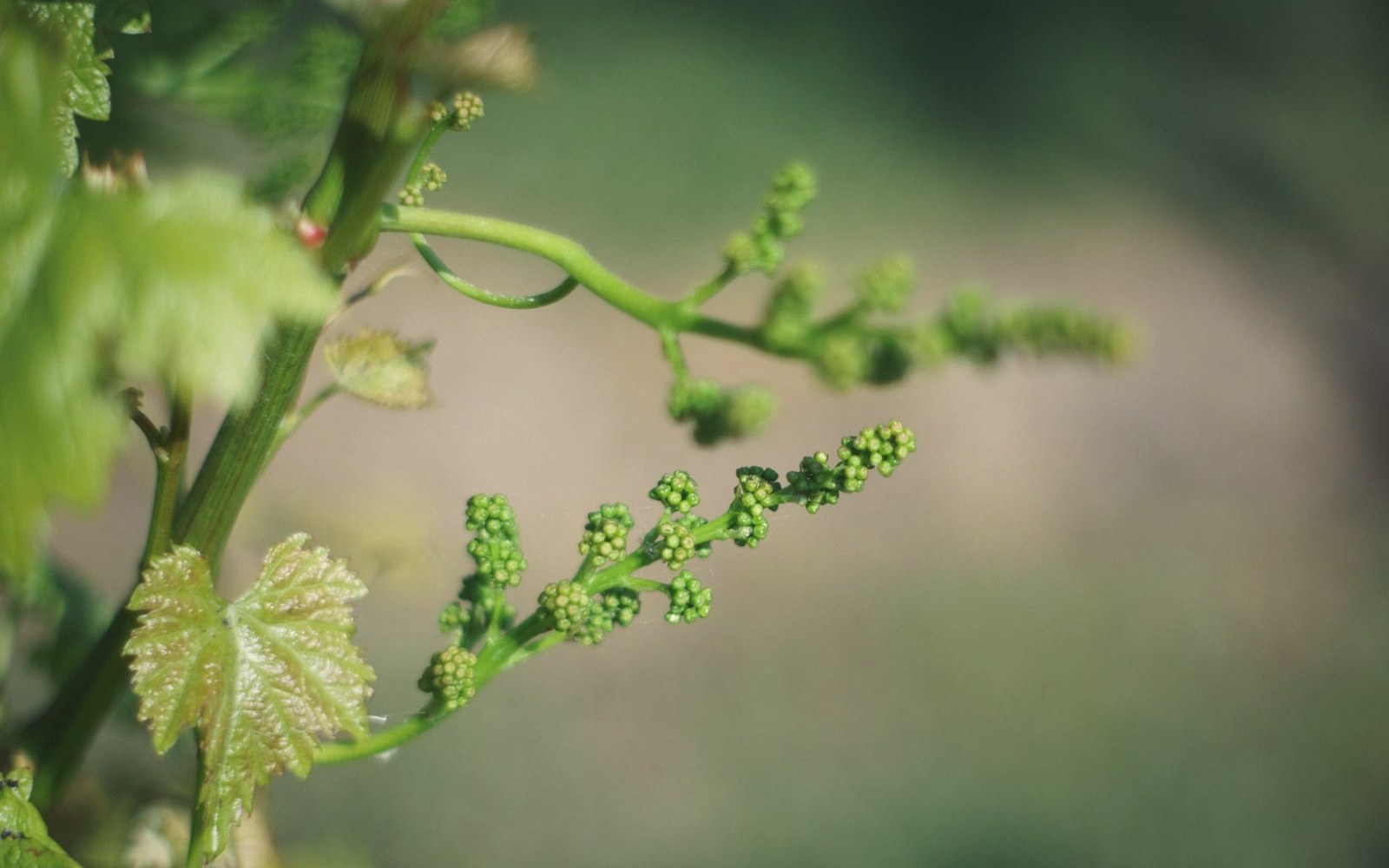
Every compound bud on a vine contains not one growing point but three: the primary, which carries the season's fruit, and two smaller backups — the secondary and tertiary — packed in behind it. When a late frost kills the primary shoots after bud break, those secondaries are the vine's answer. They push. Growth resumes. The row greens up again. From the end of the vineyard lane it can look like recovery.
It is not, or not fully. Secondary buds are almost always less fruitful than the primaries they replace. In most cool-climate varieties — Riesling, Chardonnay, Pinot noir — the secondary carries roughly half the cluster count of the primary, and in some clones the fruit set is poorer still. The vine is alive and leafing out; the vintage is already a smaller one.
How much smaller depends on the variety and on when the frost struck. A frost that catches the primaries at the very tip of emergence — a centimetre or two of green showing — leaves secondaries that are relatively well developed; the loss in cropping potential is real but bounded. A frost that kills shoots that have already stretched to five or ten centimetres takes more developed tissue and leaves secondaries that have farther to catch up. The canopy builds late, photosynthesis starts late, and the fruit that does form ripens under time pressure heading into autumn.
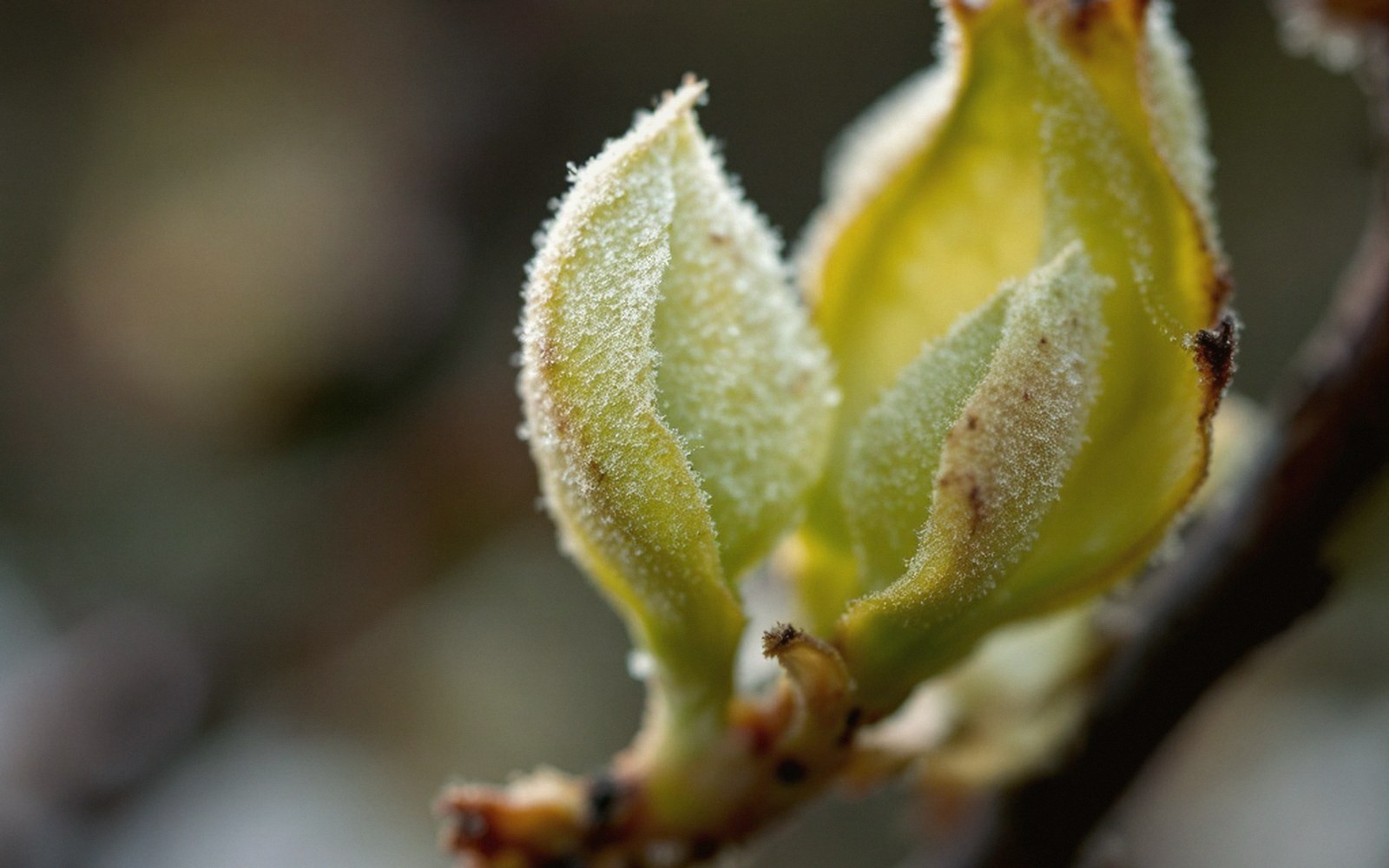
Tertiary buds push only when both primaries and secondaries are destroyed. They are rarely fruitful at all.
This is why the calculus of a single frost night in May is not simply about the percentage of buds lost. Even a frost that destroys primaries across the whole block but allows secondaries to push will likely produce a crop — just not the crop that was being counted on. The grower watching those secondaries unfurl in the days after a frost is doing mental arithmetic: how much was lost, how long ago, and what the secondaries might still deliver in a season that has, without question, already shortened.
A frost that kills shoots that have already stretched to five or ten centimetres takes more developed tissue and leaves secondaries that have farther to catch up.