Green Harvest
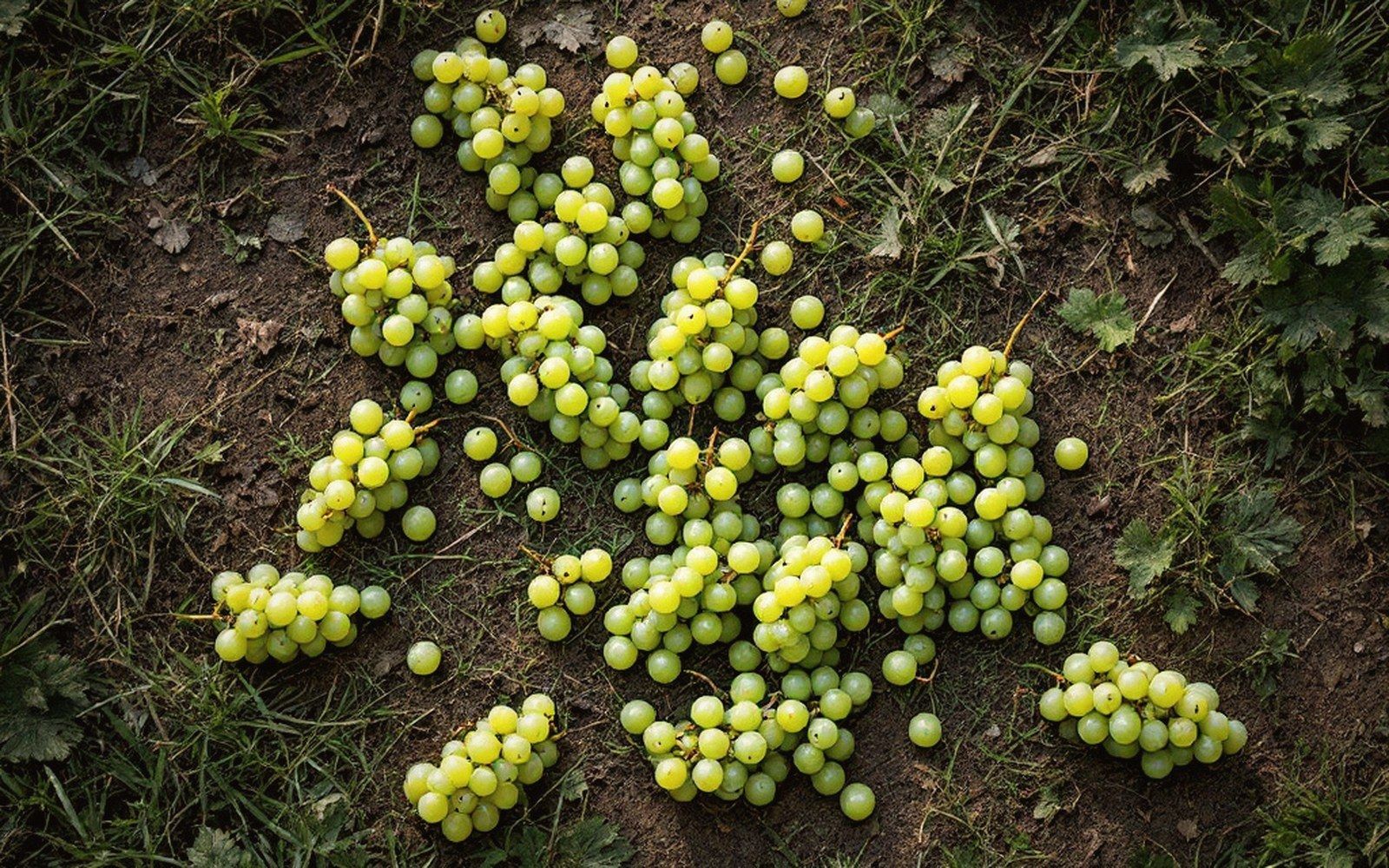
Cutting perfectly good bunches off the vine and letting them rot on the ground. It looks wrong. It is right.
Whether to drop unripe bunches on the ground to concentrate what is left.
Dropped too early the vine compensates; dropped too late nothing is gained but the loss.
Why you drop what you kept
By midsummer, when the canopy is dense and the clusters are sizing up but still hard and green, a grower walks the rows and cuts. Not damaged fruit, not diseased clusters — perfectly formed, healthy bunches, snipped at the stem and dropped. This is green harvest, and it is a calculated sacrifice.
The vine is a fixed engine. Whatever energy it generates through its leaves is divided among everything it is carrying — roots, shoots, wood, and fruit. A heavy crop gets a proportionally smaller share of each. The sugars accumulate more slowly, the skins develop less fully, and if the season is short or autumn turns wet, the fruit may never catch up. Green harvest resets the arithmetic.
Removing a fraction of the clusters — commonly somewhere between a fifth and a third, though the proportion varies with variety, vine age, and the season so far — forces the remaining bunches to share a larger portion of everything the vine produces. They size up more evenly, they ripen earlier, and in a cool climate where the margin between fully ripe and not quite ripe is measured in days rather than weeks, that acceleration is not cosmetic. It is the crop.
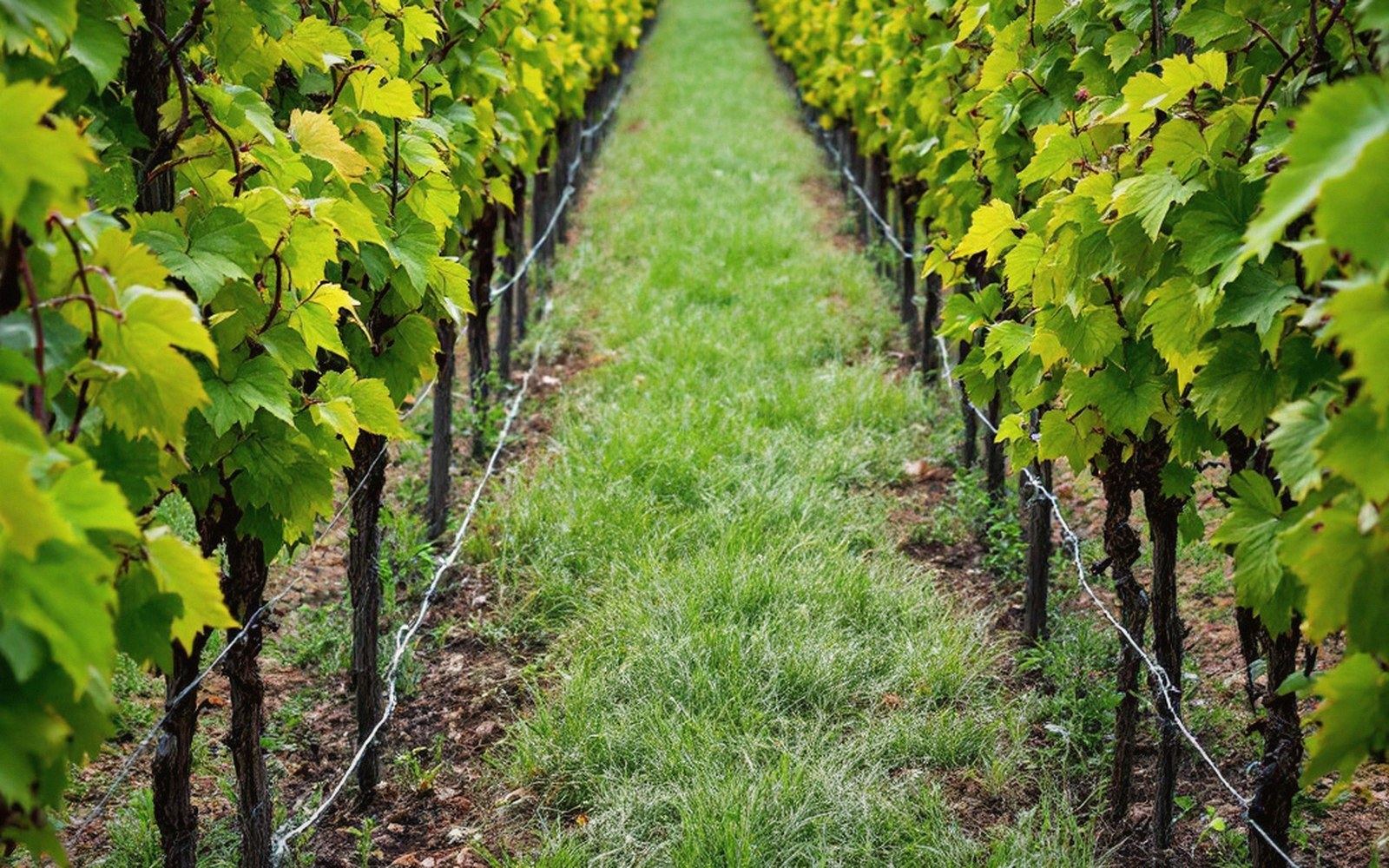
The timing matters. Green harvest done early, while berries are still small, has the strongest effect on cluster size and sugar accumulation. Done later — once the berries are near full size but before veraison, the colour change that marks the switch to ripening — it can still tighten the ripening window but changes final berry size less. Leave it too late and the effect narrows to almost nothing.
What ends up on the ground is not waste in any useful sense. The dropped clusters break down quickly between the rows, and most vineyards simply drive over them. There is no salvage, no second use. A grower who spent six months keeping those clusters alive watches them turn to mush in a week. The discipline is the point — knowing that the fruit you carry determines the fruit you get, and that less, chosen carefully, is frequently more.
The sugars accumulate more slowly, the skins develop less fully, and if the season is short or autumn turns wet, the fruit may never catch up.